
Dec. 3, 2025, 10:24 p.m.
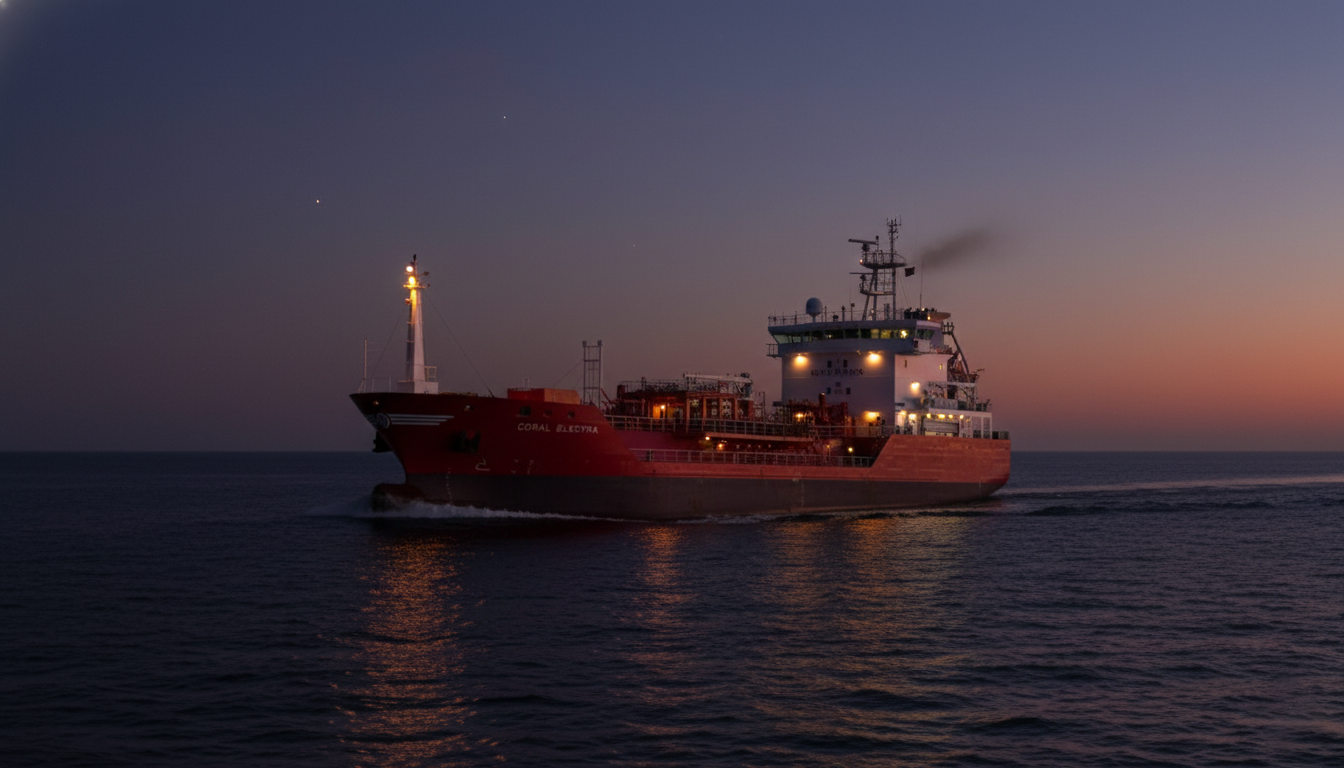
In the early hours of December 3, 2025, a liquefied petroleum gas (LPG) tanker named CGAS SATURN fell victim to a brazen pirate attack in the Gulf of Guinea, off the coast of West Africa. This volatile region continues to pose significant risks to seafarers, with armed assailants boarding the vessel and abducting nine crew members. The incident serves as a stark reminder of the persistent threats facing merchant mariners and underscores the critical need for robust preparedness and response strategies in high-risk areas. For aspiring and seasoned sailors alike, understanding such events through a training lens can enhance vigilance and decision-making at sea.
The CGAS SATURN, operated by Christiania Gas, was en route when pirates launched their assault. Four crew members managed to evade capture and remain on board, with one sustaining minor injuries that are being treated onboard. The vessel has since relocated to safer waters, allowing for initial assessments and coordination with authorities. This event highlights not only the human cost of piracy but also the importance of immediate post-incident actions, such as securing the ship and notifying external support networks.
Incident Breakdown: What Happened and Why It Matters
The attack unfolded swiftly, typical of pirate operations in the Gulf of Guinea, where speed and surprise are key tactics. Pirates approached the tanker undetected, likely using small, fast boats under the cover of darkness. Once aboard, they targeted the crew, prioritizing abductions over cargo theft, a common pattern in this area where human hostages fetch high ransoms. The nine abducted seafarers, whose nationalities and roles have not been disclosed for security reasons, were taken away, leaving the remaining team to manage the crisis.
From a training perspective, this incident reveals gaps in detection and deterrence. Modern vessels like the CGAS SATURN are equipped with radar and AIS systems, yet pirates often exploit blind spots or low visibility. Seafarers must be drilled in recognizing these vulnerabilities during routine watches. Moreover, the light injury sustained by one crew member points to the physical dangers involved, emphasizing the value of personal protective equipment (PPE) and basic medical response protocols. Training simulations should replicate such scenarios, teaching crew to activate citadels or muster points while maintaining ship control.
Christiania Gas responded promptly, activating their emergency team and engaging with international maritime authorities. The company's statement emphasized their focus on reestablishing contact with the captives to ensure a swift and safe resolution. They are also providing support to the families, acknowledging the emotional toll on shore-based loved ones. This coordinated approach exemplifies best practices in crisis management, which every mariner should study. Limited public disclosure, as per the company's policy, protects the operation and avoids escalating risks, a lesson in operational security that training programs should incorporate.
Broader Context: Piracy Trends and Regional Risks
The Gulf of Guinea remains a global hotspot for maritime crime, accounting for a disproportionate share of worldwide piracy incidents. According to data from the International Maritime Bureau's Piracy Reporting Centre, the region saw 15 reported attacks in the first nine months of 2025, up slightly from 12 in the same period last year. While overall piracy has declined in recent years due to enhanced naval patrols and industry initiatives, kidnappings persist as a lucrative enterprise. Just this year, 14 crew members have been taken hostage in similar operations, underscoring the human element of these threats.
For educational purposes, it's essential to map these trends onto navigational planning. Sailors training for routes through West Africa should learn about high-risk zones, defined by coordinates like 0-6°N and 0-5°E, where incidents cluster near ports such as Lagos and Accra. A recent example from August 2025 involved a product tanker off Ghana's coast, where 13 crew escaped unharmed after a boarding attempt. Such cases illustrate varying outcomes based on preparedness: quick alerts to regional navies via systems like UKMTO can deter escalation.
Environmental factors amplify these dangers. The Gulf's complex currents, fishing traffic, and limited surveillance create ideal conditions for pirates. Training modules should include chart-based risk assessments, teaching how to adjust speeds, alter courses, or employ non-lethal deterrents like acoustic devices and razor wire. Crew resource management (CRM) drills, focusing on clear communication during stress, are vital to prevent panic and ensure unified action.
Key Lessons for Seafarers: Enhancing Preparedness
This piracy event offers actionable insights for maritime training curricula. First, vigilance is paramount. Bridge teams must conduct regular anti-piracy watches, scanning for suspicious vessels within 5-10 nautical miles. Second, response protocols must be instinctive: from sounding alarms to barricading access points, every crew member should know their role. Third, post-incident care cannot be overlooked. Debriefings help process trauma, while medical logs ensure injuries like the one on CGAS SATURN receive proper follow-up.
Institutions training future officers should integrate real-world case studies like this into simulations. Virtual reality tools can recreate boarding scenarios, building muscle memory for evasion and reporting. Additionally, fostering a culture of reporting near-misses encourages data sharing, refining global threat intelligence.
As the search for the abducted crew continues, the maritime community rallies in solidarity. Incidents like this propel advancements in security tech, such as drone surveillance and AI-driven anomaly detection. For seafarers, the core takeaway is resilience: knowledge and preparation turn potential tragedies into survivable challenges.
Staying Ahead of the Curve
The kidnapping aboard the CGAS SATURN is more than a headline; it's a call to action for the seafaring profession. By dissecting these events, training programs can equip mariners with the tools to navigate danger zones confidently. As piracy evolves, so must our defenses. Safe seas demand proactive learning, turning lessons from the Gulf of Guinea into safeguards for voyages everywhere.
Source: Adapted from gCaptain report
There are no comments.
Similar Posts
-
US Leads International Effort to Restore Freedom of Navigation in the Strait of Hormuz
April 30, 2026, 5:38 p.m.
-
Incident in the Strait of Hormuz: Iranian Gunboats Open Fire on Indian-Flagged Vessels
April 19, 2026, 8:06 p.m.
-
Shipping Industry Urges Caution on Strait of Hormuz Transit Despite Political Claims of Open Passage
April 17, 2026, 6:35 p.m.