
July 19, 2025, 1:51 p.m.
Nutrition aboard a vessel plays a vital role in maintaining the health, morale, and productivity of the crew, especially during extended voyages. A varied diet not only prevents monotony but also accounts for cultural preferences, dietary needs, and product availability. This article explores the importance of diversifying nutrition on a vessel, the approaches to its organization, and the challenges faced by shipboard cooks.
The Importance of Variety
Consuming the same food daily can lead to nutrient deficiencies and a decline in crew motivation. A diverse diet, including proteins, carbohydrates, fats, vitamins, and minerals, supports physical fitness and immune health. For instance, fresh fruits and vegetables rich in vitamin C help prevent scurvy—a historical concern for sailors. Moreover, accommodating cultural preferences, such as halal meals for Muslim crew members or vegetarian options, fosters team spirit and respect within a multicultural crew.
Organization of Nutrition
Shipboard cooks design menus based on voyage duration and available supplies. On short routes, fresh produce is utilized, while long voyages rely on canned goods, dry mixes, and long-lasting items like rice, legumes, and frozen meat. Modern technologies, including refrigeration units and vacuum sealing, preserve food quality. Cooks also adapt recipes by incorporating spices and local ingredients sourced at ports to enhance flavours. Regular consultations with the crew help address individual preferences, such as gluten-free or low-calorie diets.
Challenges and Solutions
Limited space and unstable weather conditions complicate food preparation. Rough seas can damage equipment, and the lack of fresh produce in open waters demands creativity. Solutions include using versatile kitchen appliances and pre-preparing meals. Water and energy conservation are also key, prompting cooks to optimize processes and avoid excessive resource use. Adhering to sanitary standards prevents foodborne illnesses, which is critical in isolated conditions.
The Role of Training and Technology
Training cooks in nutrition and hygiene basics improves food quality. Modern vessels are equipped with inventory management software that tracks product expiry dates and suggests recipes based on available ingredients, minimizing waste and maintaining dietary balance. In some cases, crew members contribute by growing herbs in onboard hydroponic systems, adding freshness to meals.
Diversifying nutrition on a vessel strikes a balance between practical constraints and crew needs. Effective organization, technology use, and consideration of cultural diversity ensure not only physical health but also psychological well-being for sailors. In the context of global trade and lengthy voyages, this becomes an essential aspect of successful maritime operations.
July 22, 2025, 9:13 p.m.
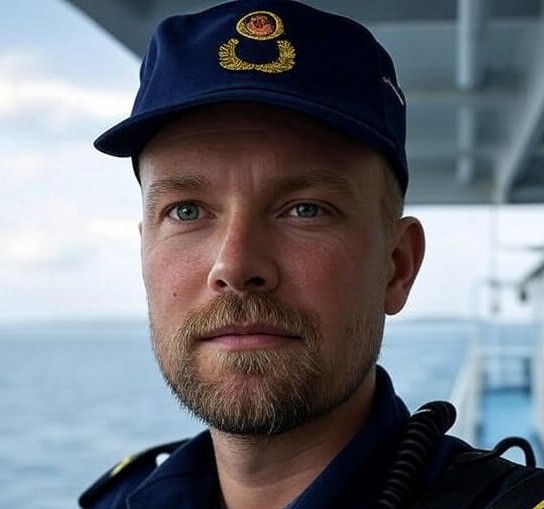
A crucial aspect of catering is considering the national and cultural preferences of the crew.
Similar Posts
-
There are no similar posts yet.