Aug. 1, 2025, 9:47 p.m.
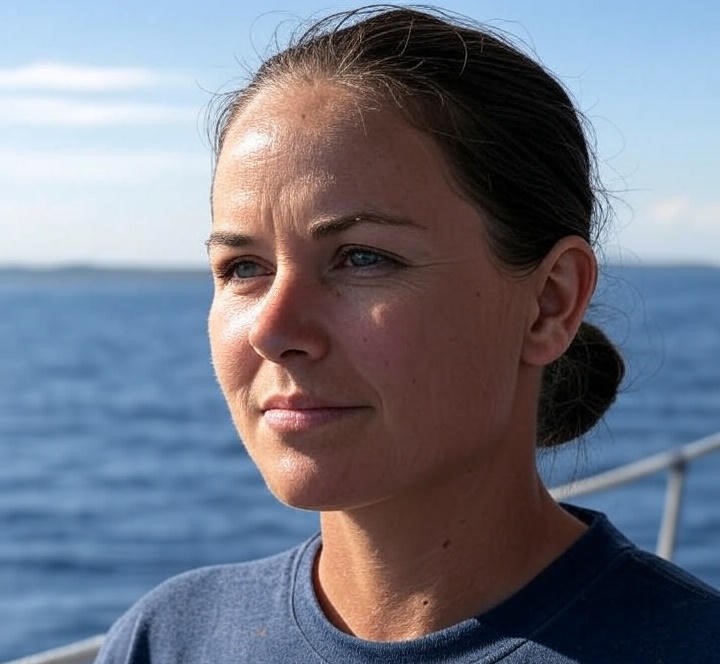
The maritime industry has long been seen as a male-dominated field, but in recent decades, women have been making their mark, breaking stereotypes and contributing significantly to the world of shipping. Today, women work on ships in diverse roles—from doctors and stewards to engineers and captains—showing professionalism and resilience in the challenging maritime environment. Historically, women’s access to maritime jobs was limited. Until the mid-20th century, their roles were mostly in service, like cooks, cleaners, or nurses on passenger liners. But with advancing technology and changing social norms, women have started taking on technical and leadership positions. According to the International Maritime Organization, in 2025, women make up about two percent of the global seafarer workforce, but their numbers are steadily growing, especially in the cruise industry and on offshore vessels. One of the most common roles for women on ships is in hospitality and medicaland resilience in the challenging maritime environment. Historically, women’s access to maritime jobs was limited. Until the mid-twentieth century, they were mostly confined to roles like cooks, cleaners, or nurses on passenger liners. But with advancing technology and shifting social norms, women have started taking on technical and leadership positions. According to the International Maritime Organization, in twenty twenty-five, women make up about two percent of the global seafarer workforce, but their numbers are steadily growing, especially in the cruise industry and on offshore vessels. One of the most common roles for women on ships remains tied to hospitality and medical services. On cruise liners, women often work as waitresses, administrators, cooks, or ship doctors. These jobs demand high professionalism, teamwork, and the ability to handle intense schedules. For instance, a ship’s doctor must be ready to provide care with limited resources, while stewards ensure the comfort of hundreds of passengers. Meanwhile, more women are entering technical fields. Women engineers, like Juliana from Brazil, who became the first female chief engineer on a major cargo ship, or Joanna Kwok from Hong Kong, prove that technical roles are no longer just for men. They manage complex engine systems and electronics, requiring deep knowledge and high responsibility. Female captains are still rare but growing in number. In the cruise industry, only about nine out of over three hundred passenger ships are commanded by women. Figures like Kate McCue, the first female captain of an American cruise liner, inspire the next generation to aim for leadership roles. Still, women in maritime professions face challenges. Gender stereotypes, long shifts away from home, and physically demanding conditions remain hurdles. Yet, support programs like scholarships for women in maritime academies and gender equality initiatives are creating a more inclusive environment. The role of women in maritime professions continues to expand, and their contributions are invaluable. They not only keep ships running smoothly but also set an example for future generations, showing that the sea is a place of opportunity for everyone, regardless of gender.
There are no comments.
Similar Posts
-
There are no similar posts yet.