
April 30, 2026, 5:47 p.m.
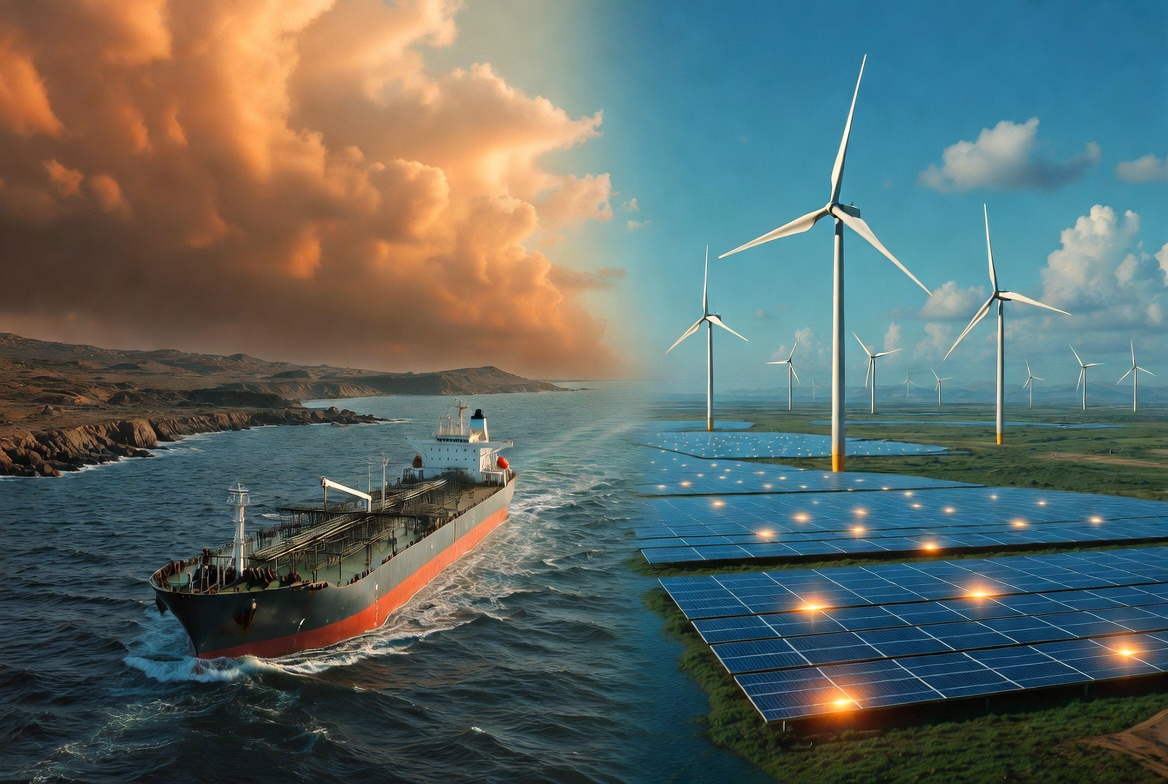
The ongoing conflict involving Iran has significantly disrupted global oil supplies and sent energy prices soaring. According to the United Nations Framework Convention on Climate Change (UNFCCC), this situation is unintentionally speeding up the worldwide transition to renewable energy sources.
UNFCCC Executive Secretary Simon Stiell stated that the war is “supercharging” the global renewables boom. He made the remarks during a high-level meeting in Paris with the International Energy Agency ahead of COP31. Stiell emphasized that renewables offer safer, cheaper, and cleaner energy that cannot be disrupted by conflicts or blocked in narrow shipping straits like the Strait of Hormuz.
Last year, global investment in clean energy was already projected to be double that of fossil fuels. The current crisis has pushed many governments to accelerate their renewable energy plans. The main drivers include improved national energy security, reduced dependence on imported oil and gas, greater economic stability, and policy independence.
Why This Matters for Seafarers
For professional mariners, the message is clear: the maritime industry, which transports the vast majority of the world’s fossil fuels, is highly vulnerable to geopolitical tensions. When key chokepoints such as the Strait of Hormuz are disrupted, the effects are felt immediately through higher fuel prices, changed trade routes, and increased operational risks.
The International Energy Agency noted that the Middle East conflict has “thoroughly upended” the global oil consumption outlook, with some demand likely shifting permanently to other energy sources. This long-term change could influence future demand for oil tankers and the types of cargoes seafarers will carry in the coming decades.
Renewable energy sources, such as wind, solar, and green hydrogen or ammonia, are not dependent on vulnerable sea lanes in the same way as oil and liquefied natural gas. This fundamental difference makes them attractive from a security perspective during times of instability.
Practical Implications for the Maritime Sector
Seafarers and maritime professionals should expect continued policy support for decarbonization efforts. Many countries are now viewing the rapid development of clean energy not only as a climate goal but also as a matter of national security.
This shift may lead to:
- Faster adoption of alternative marine fuels, including methanol, ammonia, and hydrogen-based solutions.
- Increased investment in shore power, battery technology, and energy efficiency measures on ships.
- Greater focus on training for new propulsion systems and low-carbon operations.
While the immediate priority for mariners remains safe navigation and risk management in high-threat areas, the broader energy transition is gaining momentum. Understanding these global trends helps deck officers, engineers, and shipping companies prepare for the future regulatory and operational environment.
The UNFCCC chief highlighted that those who tried to maintain heavy dependence on fossil fuels have instead accelerated the move toward renewables. The current crisis serves as a powerful reminder of the risks associated with concentrated fossil fuel supply chains.
**Resource:**
Adapted from reporting by David Stringer (Bloomberg) via gCaptain, April 30, 2026.
There are no comments.
Similar Posts
-
US Leads International Effort to Restore Freedom of Navigation in the Strait of Hormuz
April 30, 2026, 5:38 p.m.
-
Navigating the Strait of Hormuz: Regional Perspectives and Security Trends
April 22, 2026, 6:38 p.m.
-
Incident in the Strait of Hormuz: Iranian Gunboats Open Fire on Indian-Flagged Vessels
April 19, 2026, 8:06 p.m.
-
Shipping Industry Urges Caution on Strait of Hormuz Transit Despite Political Claims of Open Passage
April 17, 2026, 6:35 p.m.