
Nov. 29, 2025, 3:48 p.m.
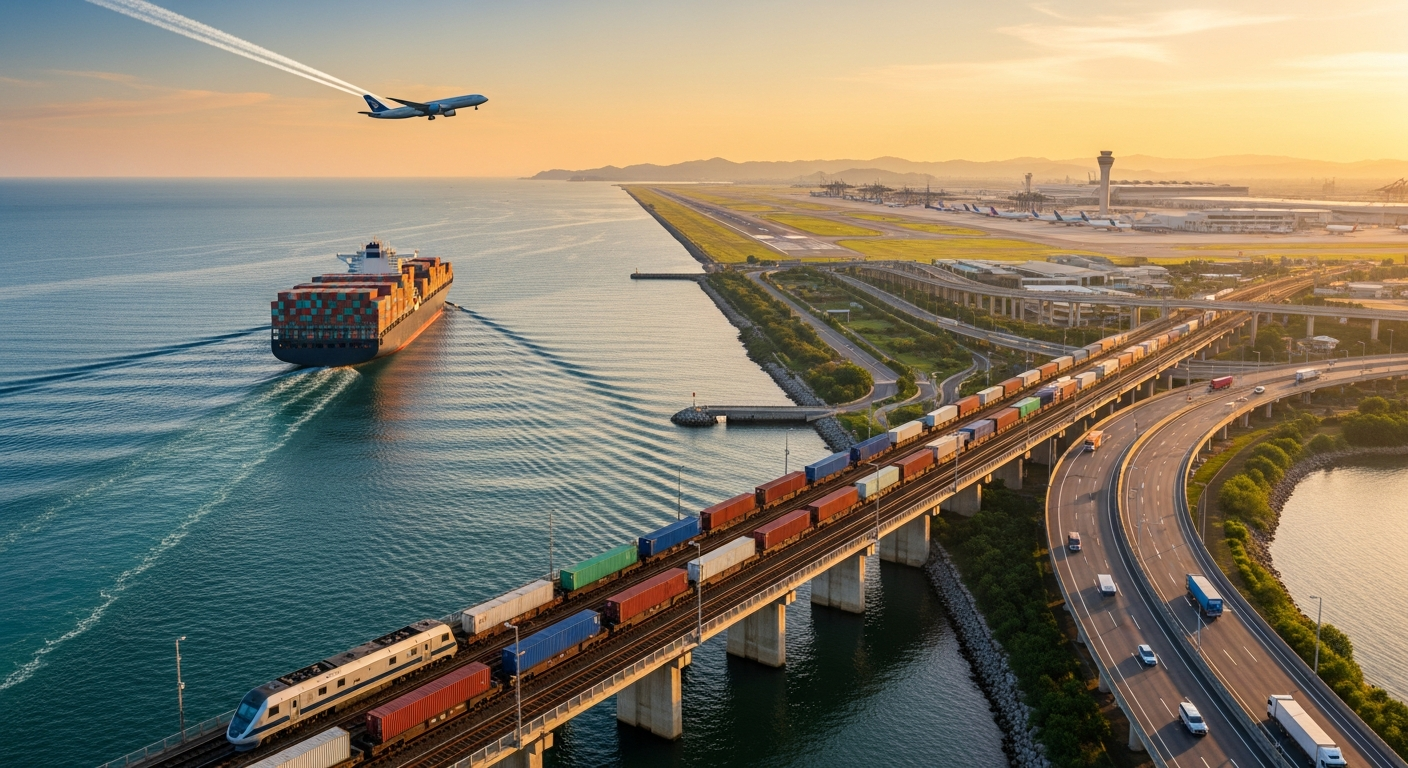
The maritime industry often treats shipowners, charterers, and cargo owners as separate entities with competing interests. A recent analysis shows that closer alignment between these three groups can deliver substantial safety, environmental, and commercial benefits. When all parties work from the same data and share common goals, the entire transport chain becomes more reliable and sustainable.
**Why Collaboration Matters Now**
Decarbonization deadlines, stricter port-state inspections, rising insurance costs, and new regulations such as CII, EEXI, and EU ETS demand coordinated action. A single weak link, whether poor vessel maintenance, unrealistic voyage schedules, or inadequate cargo handling instructions, can trigger detentions, off-hire disputes, or emissions penalties that affect everyone.
**Practical Areas of Joint Improvement**
1. Voyage Optimization and Just-in-Time Arrival
Charterers and cargo owners who share accurate port readiness times allow masters to reduce speed and cut fuel consumption by 10 to 20 percent without delaying cargo. Real-time data exchange platforms already make this possible.
2. Transparent Vessel Vetting and Performance Data
When owners openly provide recent RightShip, TMSA, and dry-dock reports, charterers can make faster fixture decisions and avoid low-performing units. In return, charterers who share voyage-specific feedback help owners correct deficiencies before the next fixture.
3. Shared Responsibility for Cargo Quality and Safety
Cargo owners who supply complete cargo declarations, including H2S levels, moisture content, or IMSBC Code special requirements, enable the crew to implement correct stowage and ventilation plans from the start. This reduces claims and protects both crew and vessel.
4. Joint Funding of Safety and Environmental Upgrades
Several recent charters include green clauses where charterers contribute to scrubber retrofits, battery installations, or silicone hull coatings in exchange for lower hire rates over longer contracts. Both sides win: owners spread capital costs while charterers meet their Scope 3 reduction targets.
5. Unified Incident Response and Learning
When a grounding, spill, or machinery failure occurs, joint investigations that include owner, charterer, and cargo representatives produce better root-cause analysis and industry-wide lessons. Closed feedback loops prevent the same incident from repeating on the next voyage.
**Steps Masters and Crew Can Take**
- Request charter party clauses that include realistic weather margins and virtual arrival provisions
- Use the voyage charter questionnaire to ask for cargo owner contact details and specific handling requirements
- Share daily noon reports and ETA updates with all parties through a common platform
- Document every instruction that may compromise safety or emissions compliance
- Participate in post-voyage debriefings to capture lessons for the next contract
The traditional adversarial relationship between the transport trinity is becoming obsolete. Masters who understand the commercial pressures on charterers and cargo owners, and who actively facilitate information flow, directly contribute to safer ships, cleaner seas, and more stable employment. Collaboration is no longer optional; it is the new competitive advantage.
**Source**
The Maritime Executive
There are no comments.
Similar Posts
-
Human Capital in the Green Transition: Preparing the Future Maritime Workforce
May 25, 2026, 6:31 p.m.
-
LNG Fueling Operation for Star of the Seas at Port Canaveral
Aug. 29, 2025, 6:16 p.m.
-
Höegh Autoliners Pioneers Ammonia-Powered Engines for PCTC Vessels
Aug. 28, 2025, 4:41 p.m.
-
Methanol and Ammonia Fuels: From Concept to Reality
Aug. 20, 2025, 8:41 a.m.