Aug. 16, 2025, 4:27 p.m.
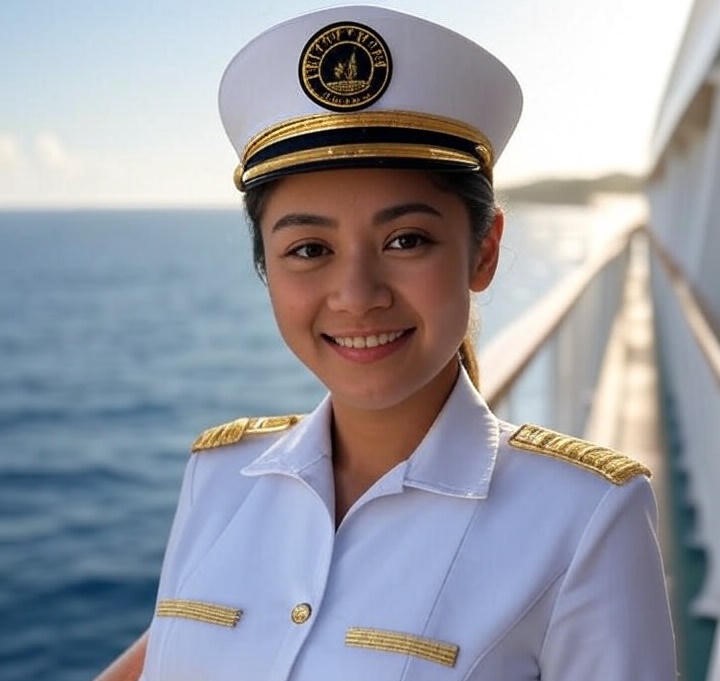
Gender equality in the maritime industry is not only a matter of social justice but also a key factor influencing efficiency, safety, and sustainability in onboard operations. Historically, the maritime sector has been predominantly male-dominated, but in recent decades, this trend has been shifting. Women are increasingly taking on roles on ships—from sailors to captains—and their contributions are becoming invaluable. This article explores why gender equality is essential for maritime work and the benefits it brings.
Benefits of Gender Equality Onboard
Diversity in Problem-Solving Approaches
Diversity in a team, including gender diversity, fosters a variety of perspectives. Men and women may approach problem-solving differently, which enhances decision-making processes. For instance, studies show that mixed teams are often more creative and find innovative solutions in critical situations, which is particularly vital in the high-stakes environment of maritime operations.
Improved Workplace Atmosphere
Gender equality promotes an inclusive and respectful working environment. When all crew members, regardless of gender, feel valued and respected, it reduces stress and conflict. This is especially important onboard ships, where crews spend extended periods in confined spaces.
Enhanced Professionalism
Including women in the maritime industry expands the talent pool, allowing companies to select the most qualified professionals, regardless of gender. This increases the overall level of professionalism in the industry, as competition for roles encourages all employees to hone their skills.
Compliance with International Standards
The International Maritime Organization (IMO) actively supports gender equality through initiatives like "Women in Maritime." Companies that uphold equality principles align with international standards, enhancing their reputation and competitiveness.
Challenges and Solutions
Despite progress, women onboard ships still face challenges such as stereotypes, discrimination, and insufficient support. For example, some employers may assume women are less suited for physically demanding tasks or leadership roles. However, modern technology and automation on ships have minimized physical barriers, making the profession accessible to all.
To achieve gender equality, the following steps are crucial:
- Training and Awareness: Conducting training for crews on inclusivity and addressing biases.
- Supportive Infrastructure: Ensuring ship facilities accommodate the needs of all crew members, including women (e.g., separate cabins and sanitary facilities).
- Equal Opportunity Policies: Implementing transparent hiring and promotion procedures that eliminate gender-based discrimination.
Gender equality onboard ships is not just about fairness—it’s a strategic move to enhance the efficiency and safety of the maritime industry. Diversity in teams drives innovation, improves workplace morale, and attracts top talent. To achieve this, we must continue breaking down stereotypes, supporting women in the profession, and creating inclusive working conditions. Only through collective efforts can we build a maritime industry where everyone, regardless of gender, can realize their full potential.
There are no comments.
Similar Posts
-
Private Equity Firms Vie for Ownership of Everllence, Key Supplier of Marine Propulsion Engines
Feb. 19, 2026, 6:58 a.m.
-
Improved Outlook for Dry Bulk Shipping in 2026 with Lingering Challenges
Dec. 23, 2025, 9:28 a.m.
-
Starting a Career on Cruise Ships in 2026: Realistic Pay and Entry Without Prior Experience
Dec. 20, 2025, 10:52 a.m.
-
CMA CGM Significantly Increases Women Seafarers Through She Sails Program in First Year
Dec. 18, 2025, 10:57 a.m.