
Jan. 20, 2026, 9:38 a.m.
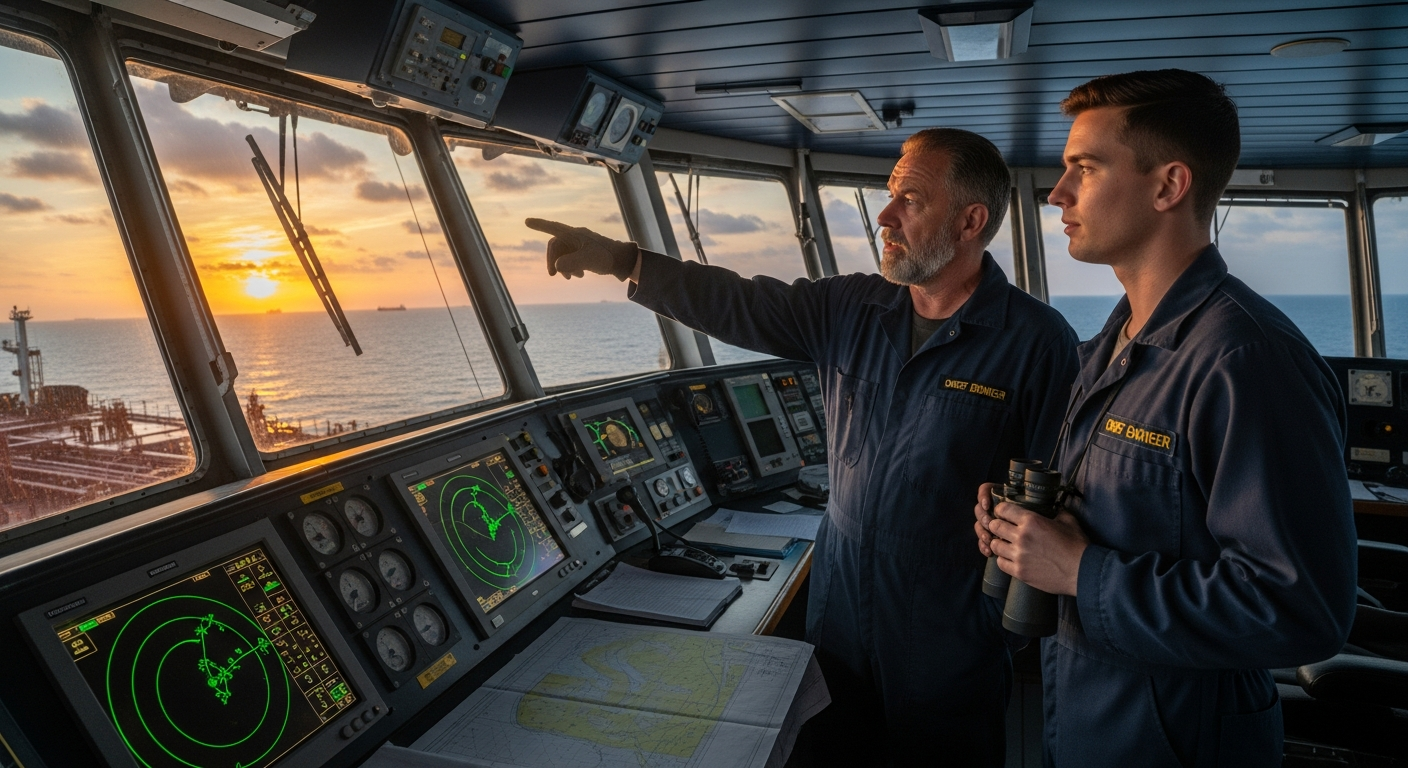
Life at sea remains one of the most challenging professions. Seafarers endure prolonged separation from family, irregular sleep patterns from shift work, intense operational demands, social isolation, extreme weather, and minimal personal space. These factors create a high-risk environment for mental wellbeing.
Younger crew members increasingly report elevated anxiety even before joining a vessel. This stems partly from greater awareness and openness, but also from real pressures such as performance expectations, financial worries, and constant exposure to digital content.
Too often, mental health provisions are viewed as optional extras or nice-to-have benefits for crew. The maritime industry must shift perspective and treat mental health care as genuinely safety-critical. Ignoring it increases the likelihood of serious incidents, including severe episodes and suicides, endangering lives and vessel operations.
Without strong company-wide integration of mental health support, situations frequently escalate to emergencies requiring urgent expert response. Effective systems need clear protocols covering immediate crisis intervention through to long-term aftercare, confirming that a seafarer is psychologically fit to resume duties.
Essential elements of a robust mental health framework include:
- Access to psychologists fluent in the seafarer's native language
- Coordinated ship-to-shore medical communication
- Liaison support for family emergencies that affect onboard mood
- Structured follow-up care after incidents
- Training for officers to spot early warning signs
Early intervention proves vital. Helping crew identify personal stress triggers and apply preventive strategies can stop minor issues from developing into major crises.
The unique conditions at sea amplify risks: limited contact with support networks, restricted freedom of movement, chronic sleep disruption, constant noise, and few outlets for stress relief combine into what can become a dangerous cycle. When mental health deteriorates without help, seafarers may feel trapped with no escape, raising the chance of tragic outcomes. This makes mental health an integral part of every vessel's safety management system under ISM Code principles. It cannot be treated as secondary or negotiable.
Common triggers observed today include:
- Severe fatigue and sleep debt from watch schedules, quick port calls, time-zone changes, and noisy environments leading to reduced concentration, short temper, and depressed mood
- Prolonged family separation causing emotional strain
- Operational uncertainties like port inspections, fast turnarounds, crew shortages, contract extensions, or visa problems creating ongoing instability
- Persistent bullying, harassment, interpersonal conflicts
- Round-the-clock social media access exposing crew to harmful or toxic material
Progress is visible: more companies now emphasize crew wellbeing, and awareness continues to grow. Yet awareness by itself falls short. Real improvement happens when organizations build concrete protocols, enforce fatigue management, provide prompt access to qualified clinicians in relevant languages, and embed mental health fully into safety management systems. Leaders trained to recognize and act on early indicators make a measurable difference. Companies that implement these measures see crew more willing to seek help sooner and fewer severe emergencies.
The maritime sector faces a global shortfall in prioritization and resources for seafarer mental health. If we fail to act decisively, we risk alienating the next generation of seafarers unwilling to trade their psychological health for employment, no matter the salary.
Mental health care must be recognized and resourced as safety-critical. Combine strong protocols, proper fatigue controls, and fast access to language-appropriate professional support. This approach reliably reduces risks, protects lives, and strengthens operational safety across the fleet.
Source: Maritime Executive
There are no comments.
Similar Posts
-
Sailing with Strength: Supporting Seafarer Mental Wellness
Sept. 12, 2025, 6:08 a.m.
-
Maintaining Safe Distance in Close-Quarters Maneuvers: A Key to Maritime Safety
Jan. 24, 2026, 10:30 a.m.
-
Guide to Performing Effective Maritime Accident Investigation Interviews
Sept. 23, 2025, 9:30 a.m.
-
Case Study: Lifeboat Hook Failure Incident
Sept. 8, 2025, 7:58 a.m.