
Jan. 24, 2026, 10:30 a.m.
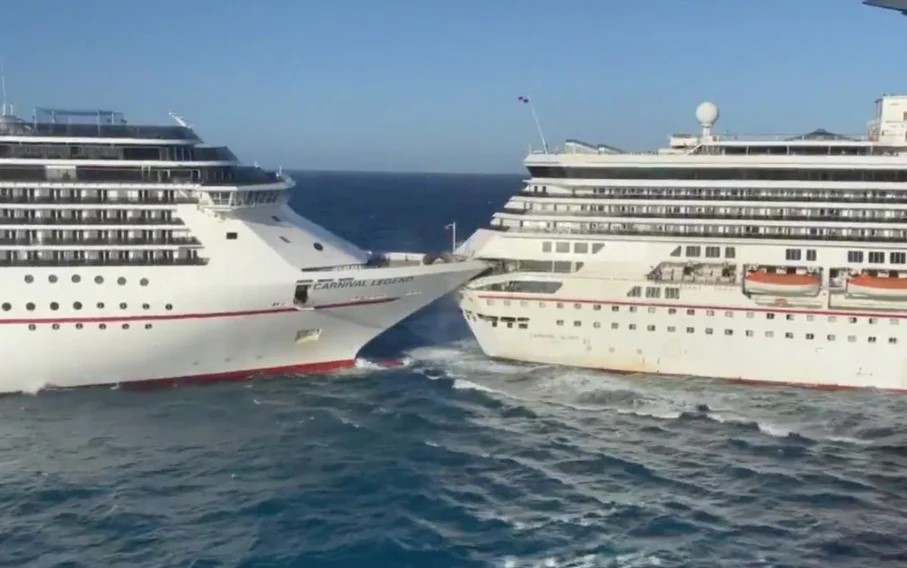
In the maritime world, danger does not disappear just because a vessel is anchored, moored, or stationary. Risk remains active due to factors like wind, current, swell, or nearby traffic. Even a seemingly calm situation can quickly turn into a close-quarters emergency if awareness slips.
Close-quarters scenarios test the core skills of every seafarer. These situations frequently resolve based on three essential elements: constant situational awareness, clear and effective communication, and precise timing. Bridge teams must monitor radar, visual bearings, AIS data, and environmental changes at all times. A small delay in recognizing a developing risk can reduce the available maneuvering space dramatically.
Maintaining a safe distance is never optional. It forms a fundamental shared responsibility among all vessels in the vicinity. The vessel with room to maneuver holds a duty to keep clear, while the constrained or stationary vessel must signal its status promptly and accurately. COLREGs emphasize this principle in rules related to conduct in restricted visibility, narrow channels, and general collision avoidance.
Common causes of lost safe distance include:
- Underestimating the effects of wind and current on a drifting or slow-moving vessel.
- Poor coordination during pilotage, tug operations, or when passing anchored ships.
- Fatigue, distraction, or language barriers that weaken bridge communication.
- Overreliance on technology without verifying through visual and radar cross-checks.
- Inadequate passage planning that fails to account for expected traffic density.
Seafarers often recall near-misses where a passing vessel closed unexpectedly because the officer assumed the anchored ship would remain perfectly still. In reality, vessels at anchor can swing, yaw, or sheer due to external forces, narrowing the gap faster than anticipated.
To prevent incidents, adopt these practical habits:
- Always establish early and continuous communication via VHF when approaching or passing stationary vessels.
- Use parallel indexing or clearing bearings to maintain a minimum CPA.
- Apply conservative CPA settings on ARPA and ECDIS alarms.
- Conduct regular risk assessments during pilot briefings and master-pilot exchanges.
- Encourage a culture where junior officers feel safe to voice concerns about closing distances.
Training programs and simulator sessions play a vital role in building muscle memory for these scenarios. Regular drills reinforce the golden trio of awareness, communication, and timing.
Safe distance at sea protects lives, vessels, the marine environment, and commercial operations. It demands vigilance from every watchkeeper, regardless of rank or experience.
Resource: Adapted from Lloyd's Maritime Institute LinkedIn post on maritime safety.
There are no comments.
Similar Posts
-
SAFER PILOT TRANSFER OPERATIONS: UNDERSTANDING THE NEW SOLAS V/23 AMENDMENTS
April 25, 2026, 6:55 p.m.
-
Major Flag States Advance Collaboration Through the International Flag State Association
Dec. 20, 2025, 10:42 a.m.
-
Human Capital in the Green Transition: Preparing the Future Maritime Workforce
May 25, 2026, 6:31 p.m.
-
Modern Shipping: How Resilience, Digital Tools and Sustainability Shape Your Work at Sea
Feb. 10, 2026, 4:45 p.m.