
Jan. 6, 2026, 5:15 p.m.
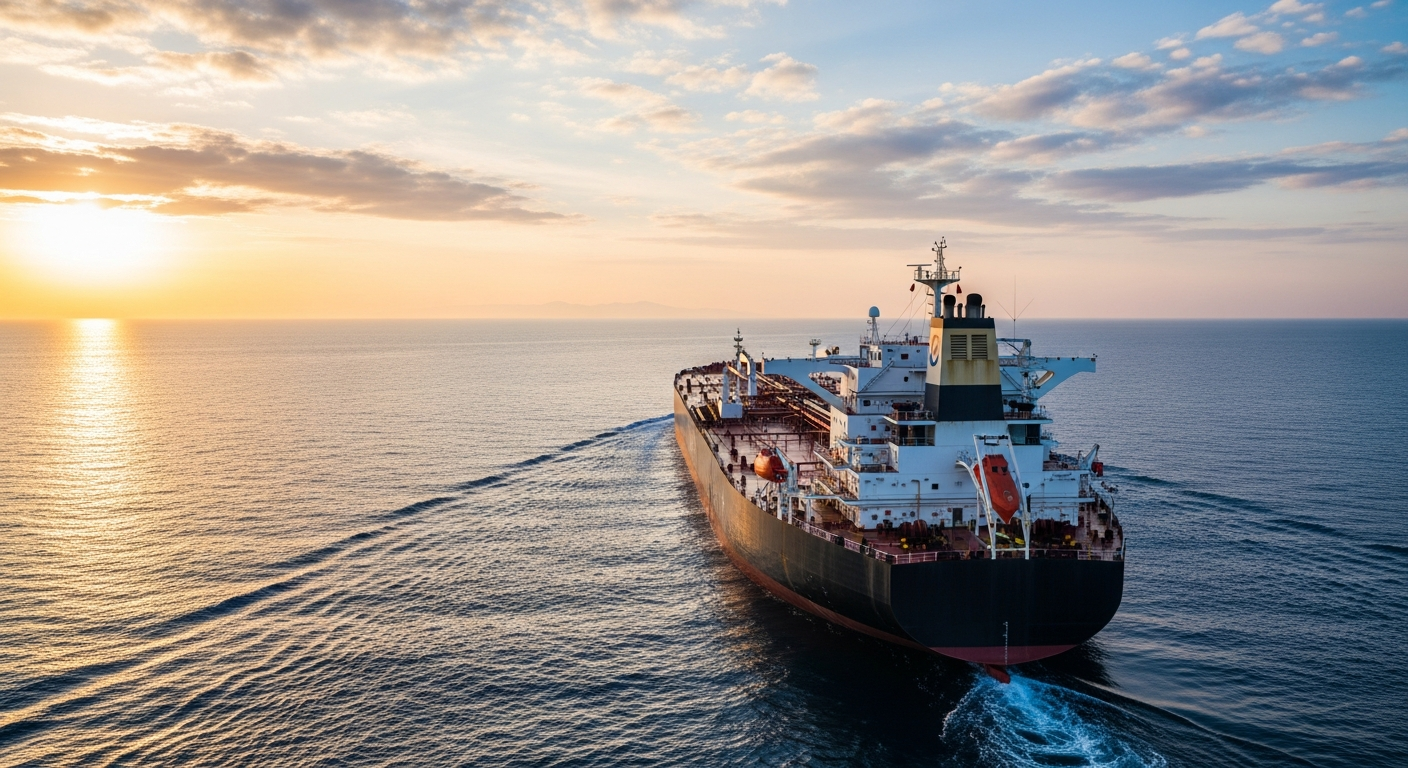
The recent dramatic events surrounding Venezuela have sent shockwaves through the maritime industry, transforming the southern Caribbean from a relatively stable shipping area into a zone of heightened uncertainty and increased operational risks.
On January 3, 2026, U.S. special forces carried out Operation Absolute Resolve, capturing Venezuelan President Nicolás Maduro and his wife Cilia Flores from a military complex in Caracas. Just days later, on January 6, the couple appeared in a Manhattan federal courtroom, where they pleaded not guilty to charges of narcoterrorism. Maduro insisted he remained the legitimate president of Venezuela, while the operation reportedly resulted in significant casualties, including the deaths of at least 80 people, among them 32 Cuban military and intelligence personnel.
These developments have created a volatile situation with direct consequences for commercial shipping. The southern Caribbean sea lanes now face sustained instability as political authority in Venezuela becomes contested. Ship operators must navigate uncertainty regarding which authorities to recognize for port permissions, cargo contracts, and crew movements.
Rising Insurance Costs and Security Demands
Maritime insurers have responded swiftly to the crisis. War-risk premiums, already applied to Venezuelan waters since 2022 by the Joint War Committee in London, are expected to rise further and expand to cover broader Caribbean transits. Even vessels avoiding Venezuelan ports entirely may now face additional surcharges due to the perceived regional risk.
Protection and indemnity (P&I) clubs are requiring shipowners to implement stricter security protocols and submit more comprehensive voyage plans. Some financial institutions have begun to withdraw support for cargoes linked to Venezuela, complicating financing and trade flows.
At La Guaira port, satellite imagery has confirmed damage, including destroyed shipping containers and burned warehouses, adding to the physical hazards in the area.
Challenges for Seafarers
For mariners, the crisis brings practical difficulties. The collapse of regular international flights to and from Venezuela makes crew changes and repatriation extremely complicated or impossible in many cases. Seafarers may face prolonged periods on board or delays in returning home.
The Federal Aviation Administration has prohibited U.S. aircraft from operating in Venezuelan airspace at any altitude, citing ongoing military activity. This forces rerouting for international flights and highlights the broader instability affecting transportation networks around the region.
Meanwhile, the so-called shadow fleet continues to operate, with reports indicating that about a dozen tankers evaded detection in early January, carrying millions of barrels of crude oil with transponders turned off. Only crude loaded under specific U.S. licenses, such as those involving Chevron, moves openly.
Broader Geopolitical Implications
The situation underscores how closely intertwined commercial shipping has become with geopolitical actions. Networks that handle Venezuelan, Russian, and Iranian crude overlap significantly, meaning disruptions in one area can ripple across global sanctioned trades.
International reactions have been strong, with condemnations from Russia, China, France, Colombia, and even questions raised by allies like the United Kingdom. The UN Secretary-General has expressed deep concern over respect for international law.
For the shipping industry, the message is clear: the commercial maritime environment in the Caribbean has changed permanently. Higher costs, enhanced security requirements, and legal ambiguities are now part of daily operations.
Practical Advice for Mariners
- Monitor Joint War Committee listings and insurer notices closely for updates on premium areas.
- Prepare detailed routing plans and conduct thorough risk assessments before entering the southern Caribbean.
- Maintain close communication with flag states, company security officers, and P&I clubs.
- Be prepared for potential delays in crew rotations and have contingency plans.
- Stay informed through reliable maritime security alerts and avoid unnecessary transits near affected zones.
Resource Original article summary based on gCaptain publication (January 6, 2026) by Paul Morgan.
There are no comments.
Similar Posts
-
Strategic Awareness: Understanding Mass Vessel Deployments and Regional Seaway Safety
May 25, 2026, 6:19 p.m.
-
US Leads International Effort to Restore Freedom of Navigation in the Strait of Hormuz
April 30, 2026, 5:38 p.m.
-
SAFER PILOT TRANSFER OPERATIONS: UNDERSTANDING THE NEW SOLAS V/23 AMENDMENTS
April 25, 2026, 6:55 p.m.
-
Navigating the Strait of Hormuz: Regional Perspectives and Security Trends
April 22, 2026, 6:38 p.m.