
May 25, 2026, 6:19 p.m.
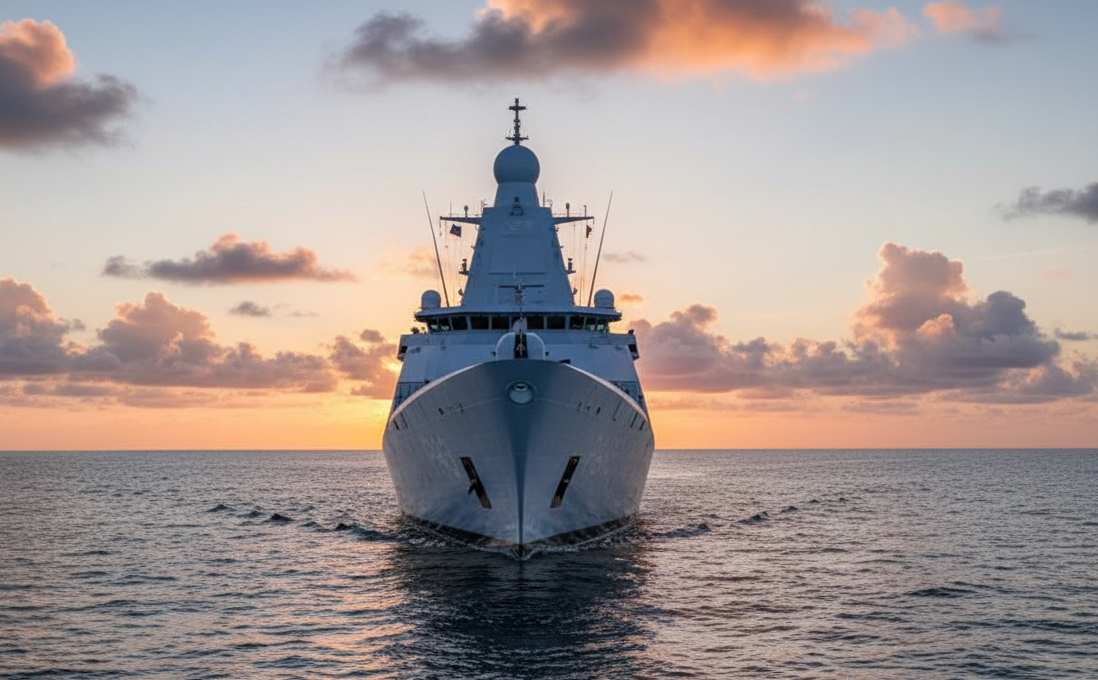
Introduction to Regional Maritime Dynamics For professional mariners and officers in training, maintaining a comprehensive grasp of geopolitical developments is essential to ensuring vessel safety and navigating complex operational environments. Recent events in East Asian waters underscore the critical need for heightened situational awareness. Security authorities in the region have reported a substantial surge in naval activity, with the deployment of more than 100 vessels across contiguous maritime zones. This massive presence spans a broad geographic corridor stretching from the Yellow Sea down to the South China Sea and out into the Western Pacific.
This deployment included a diverse mix of naval warships, coast guard units, and specialized maritime research vessels. It occurred immediately following significant bilateral diplomatic meetings between global leaders in Beijing, highlighting how closely high level statecraft translates into immediate changes on the water. For merchant fleets operating in these heavily trafficked lanes, such concentrated deployment directly impacts route planning, communication protocols, and risk assessment.
Operational Challenges for the Merchant Mariner When a state deploys an armada of this scale, the immediate consequence for international shipping is a severe crowding of tactical waters. Professional mariners must recognize that large concentrations of naval and paramilitary craft often engage in unannounced maneuvers, fleet exercises, and tactical positioning. This significantly changes the baseline traffic density and introduces unpredictable patterns that depart from routine commercial navigation lanes.
Furthermore, the presence of advanced military assets introduces secondary operational risks, including potential electronic interference, sudden changes in local routing requests, and intensive monitoring by naval authorities. Navigating officers must remain highly vigilant, ensuring that all collision avoidance systems are fully operational and that bridge teams are prepared for sudden interactions with state operated ships that may not adhere to standard commercial patterns.
Professional Practice Note for Bridge Officers Officers of the Watch should strictly implement enhanced monitoring procedures when transiting through regions with high military density. Ensure all radar, AIS, and visual lookouts are doubled, and closely monitor official navigational warnings distributed via NAVTEX and broadcast channels.
The Role of Coast Guard and Support Fleets An important aspect of this specific deployment is the heavy utilization of non naval state vessels, particularly coast guard cutters and marine survey ships. In modern maritime strategy, these assets are frequently used to assert presence and enforce regulatory control without crossing the threshold of direct military engagement. For the civilian mariner, encountering a state coast guard vessel often involves responding to official queries, verifying cargo documentation, or adhering to localized maritime declarations.
Understanding the distinction between a naval warship and a law enforcement cutter is key to managing bridge communications effectively. Coast guard vessels possess distinct legal mandates regarding boarding, inspection, and route deviation. Merchant officers must maintain precise, professional, and neutral radio communications when hailed, avoiding any actions that could be misinterpreted as non compliance or hostile intent within sensitive regional boundaries.
Implications for Security and Route Planning The sudden escalation in vessel numbers has triggered widespread diplomatic friction, with regional security officials publicly accusing the deploying state of undermining the long standing maritime status quo and threatening regional stability. Such geopolitical friction can lead to rapid adjustments in insurance risk ratings, sudden closures of specific fairways, or the sudden implementation of enhanced security zones.
Ship masters and company security officers are advised to incorporate these evolving structural realities into their standard passage planning procedures. Routes that traditionally offered straightforward transit may now require additional safety margins or alternate trajectories to avoid dense exercise zones. Continuous review of intelligence updates and close coordination with regional maritime security centers remain the most effective methods to mitigate these operational vulnerabilities.
Source Reference: This article is adapted and summarized from analytical reporting published by Marine Insight, detailing regional naval movements and their impact on global maritime affairs.
There are no comments.
Similar Posts
-
US Leads International Effort to Restore Freedom of Navigation in the Strait of Hormuz
April 30, 2026, 5:38 p.m.
-
Cargo Vessel Runs Aground Near Critical Bridge in Dense Fog
Oct. 18, 2025, 10:31 p.m.
-
Houthis Threaten 64 Shipowners Over Israeli "Blockade" Violations
Aug. 10, 2025, 11:11 a.m.