April 14, 2026, 5:40 p.m.
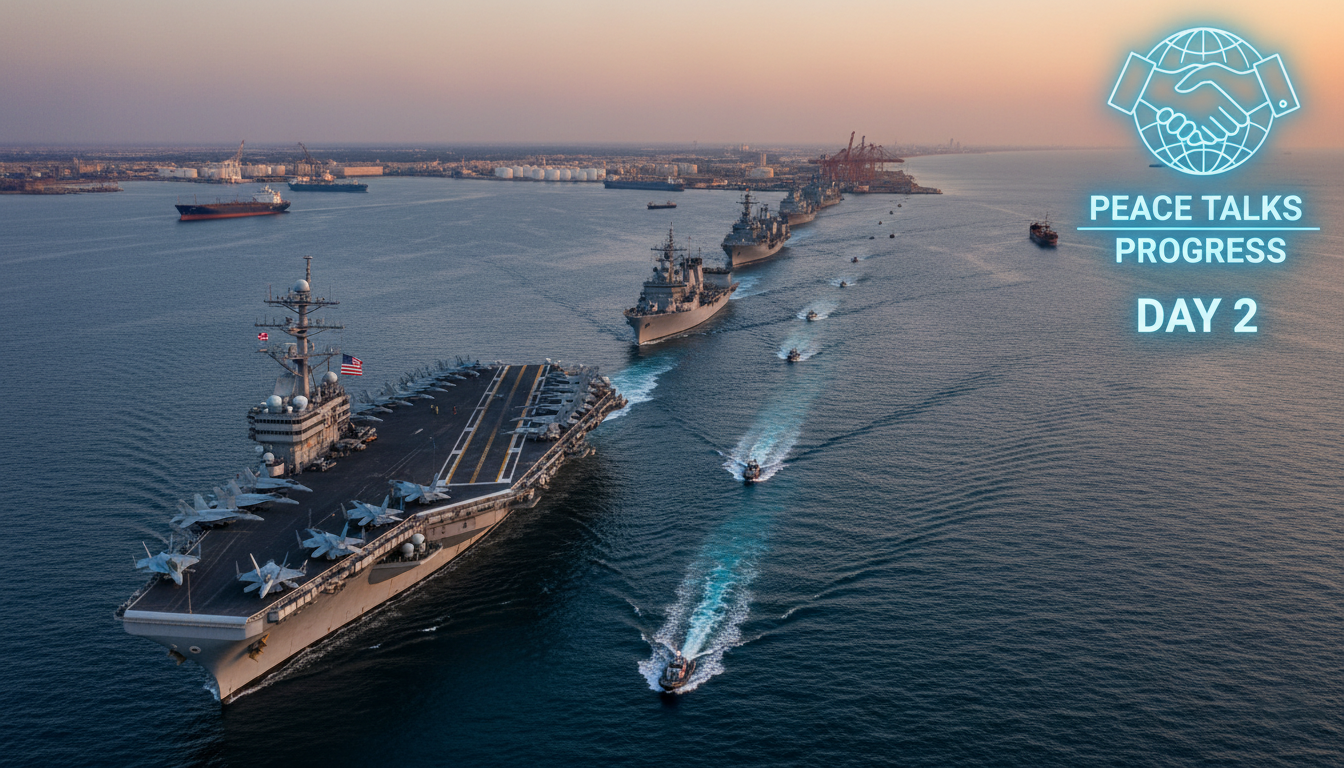
The US military blockade targeting Iranian ports in the Persian Gulf entered its second day on April 14, 2026. The restrictions began on April 13 following the lack of an immediate breakthrough in weekend ceasefire negotiations between the United States and Iran.
According to British maritime authorities, vessels attempting to enter or leave Iranian ports face restricted access. The measures also affect coastal areas in the Persian Gulf, the Gulf of Oman, and parts of the Arabian Sea. No ships successfully entered or departed Iranian ports during the first 24 hours of enforcement. US Central Command reported that several merchant vessels turned back after receiving instructions from US forces.
The Strait of Hormuz remains a major flashpoint in the ongoing regional conflict that began in late February 2026. This narrow waterway normally carries about one-fifth of the world's oil supply. The current blockade adds further pressure to already limited oil flows and raises concerns about disruptions to global supplies of oil, fertilizer, food, and other essential goods.
The United States has positioned naval assets in the broader Middle East region, with reports indicating 16 warships deployed, though none are currently inside the Persian Gulf itself. Iran has strongly criticized the blockade, describing it as an act of piracy and warning that any threat to its ports could endanger other ports in the Persian Gulf. Saudi Arabia is reportedly urging the US to ease the restrictions due to fears of wider disruptions to international shipping routes.
On the diplomatic front, there are positive signals. The United States and Iran continue indirect engagement, with some progress noted toward a permanent ceasefire. President Trump stated that Iranian officials had contacted the White House expressing interest in reaching a deal, emphasizing that Iran must not develop nuclear weapons. Washington is demanding that Iran halt uranium enrichment for a period of 20 years.
Pakistan continues to play a key mediating role and has offered to host a second round of talks before the current two-week ceasefire expires. The first round took place in Islamabad last weekend. Vice President JD Vance highlighted constructive conversations during the initial discussions and stressed that reopening the Strait of Hormuz fully, along with reductions in Iran's nuclear activities, are top US priorities. Vance noted that the US has halted bombing and now expects Iran to allow unrestricted access through the strait as part of any grand deal.
In related developments, Israel and Lebanon are scheduled to begin direct peace talks in Washington, with US Secretary of State Marco Rubio participating. These discussions aim to address tensions involving Hezbollah that have complicated the broader ceasefire efforts.
Oil markets reacted positively to the news of diplomatic movement. Brent crude futures fell 0.9 percent to around 98.47 dollars per barrel, while US West Texas Intermediate crude dropped 2.0 percent to 97.07 dollars per barrel. Analysts observed that markets are eager for any signs of de-escalation.
For seafarers and maritime professionals, this situation highlights the critical need for constant vigilance in high-risk areas. The blockade demonstrates how quickly naval actions can affect commercial shipping, even when freedom of navigation through the Strait of Hormuz for non-Iranian ports is officially maintained. Masters should closely monitor advisories from UKMTO, CENTCOM, and their flag states before planning any transit near the Persian Gulf or Gulf of Oman.
Key operational takeaways include the importance of real-time AIS monitoring, clear communication with company security officers, and preparation for possible course changes or delays. Crews must remain aware of war risk areas, updated insurance requirements, and best management practices when operating in zones affected by geopolitical tensions.
The current developments show that while military measures continue, diplomatic channels remain active. The outcome of ongoing talks could significantly influence the safety and availability of key shipping routes in the coming days.
Seafarers are advised to treat the region with heightened caution and to consult the latest official notices before any voyage. Understanding the connection between international diplomacy and practical navigation remains an essential part of professional maritime training.
**Resource:**
Educational paraphrase based on reporting from Hellenic Shipping News (April 14, 2026). For full details, consult official maritime security bulletins and recognized shipping news sources.
There are no comments.
Similar Posts
-
Damaged Energy Facilities in the Gulf Region
April 12, 2026, 4:59 p.m.
-
Restricted Access in the Strait of Hormuz: How a Double Blockade Limits Commercial Shipping
April 15, 2026, 6:25 p.m.
-
Oil Tankers Reverse Course in Strait of Hormuz Following Collapse of US-Iran Negotiations
April 12, 2026, 4:50 p.m.
-
Shipping Industry Urges Caution on Strait of Hormuz Transit Despite Political Claims of Open Passage
April 17, 2026, 6:35 p.m.