
May 8, 2026, 5:57 p.m.
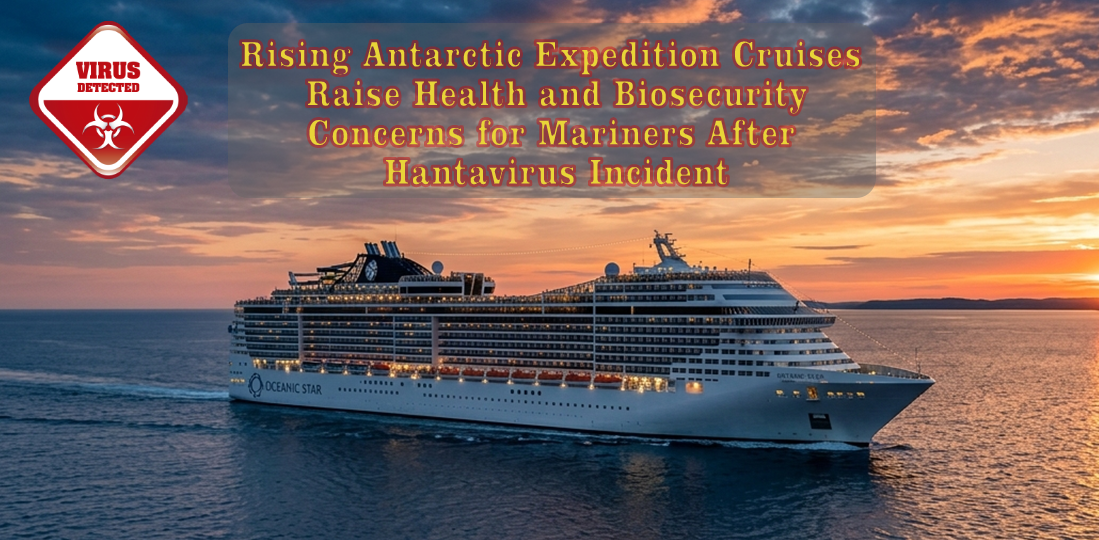
The expanding Antarctic tourism sector is drawing attention from maritime professionals as a recent hantavirus outbreak on an expedition cruise ship underscores the health risks associated with remote polar voyages. This incident highlights the need for stronger preparedness among crews operating in these challenging environments.
Antarctic Peninsula expeditions attract affluent adventure travelers eager to witness penguin colonies, icebergs, and unique wildlife. These trips often include polar plunges and shore excursions. However, the surge in visitor numbers introduces significant challenges, including disease transmission, potential invasive species spread, and environmental pressure on fragile ecosystems. Seafarers on these vessels must manage not only navigation and safety but also strict health protocols in isolated areas far from medical facilities.
A notable case involved the Dutch-flagged MV Hondius, operated by Oceanwide Expeditions. The vessel departed from Ushuaia, Argentina, and followed an Atlantic itinerary visiting Antarctica, South Georgia, and several remote islands before heading north. Reports indicate multiple cases of hantavirus, a serious respiratory illness typically linked to rodent droppings, with confirmed infections and fatalities among passengers. As of early May 2026, health authorities including the World Health Organization tracked several confirmed and suspected cases, with some deaths reported. A further suspected case emerged on Tristan da Cunha.
This event occurs just ahead of an international meeting in Japan where representatives from 29 nations will review the Antarctic Treaty System and potential enhancements to tourism regulations. Existing guidelines already address medical preparedness and insurance for operators, but experts suggest updates may be necessary following this outbreak. Amy White of VIKAND Solutions, a provider of maritime medical services, emphasized the importance of reviewing and strengthening medical protocols for polar operations.
Implications for Crew Training and Ship Operations
Visitor numbers to Antarctica have grown substantially, more than tripling from around 37,000 in 2015 to over 117,000 in 2025, with many participating in landings. Projections indicate this growth could continue sharply. For ship crews, this expansion means more frequent voyages, larger passenger loads, and increased responsibility for biosecurity measures.
Key risks include the rapid spread of pathogens in confined ship spaces and the potential introduction of diseases or invasive species to pristine areas. Hantavirus transmission on the Hondius is under investigation, with officials examining possible human-to-human spread in addition to environmental sources. This serves as a reminder that expedition vessels, despite their specialized design, require rigorous rodent control, ventilation management, and passenger screening protocols.
Maritime training programs should prioritize:
- Enhanced medical emergency response training tailored to remote polar routes.
- Biosecurity procedures, such as thorough disinfection of gear and clothing before and after shore visits.
- Monitoring for symptoms of rare illnesses and maintaining isolation capabilities on board.
- Environmental awareness to minimize vessel impact on Antarctic wildlife and ecosystems.
The International Association of Antarctica Tour Operators (IAATO) maintains strict guidelines, including minimum distances from wildlife and cleaning requirements to prevent invasive species transfer. These standards were further strengthened after previous avian flu concerns. Industry representatives stress that Antarctic tourism operates under science-based frameworks aimed at reducing harm.
Nevertheless, environmental groups and scientists point to the lack of a comprehensive long-term plan to manage tourism growth. Proposals under discussion include mandatory fees to fund conservation efforts and tighter oversight by treaty nations. For seafarers, this evolving regulatory landscape means staying updated on permit requirements and environmental impact assessments for Antarctic operations.
Lessons for Safer Polar Voyages
This incident demonstrates the vulnerability of even well-prepared expedition ships to infectious disease outbreaks. Crews must be vigilant about passenger health declarations, onboard hygiene, and rapid response plans. Remote locations limit access to advanced medical care, making prevention and early detection critical.
Operators and training institutions can use this as a case study to improve drills for outbreak scenarios, including coordination with international health authorities. Emphasis on crew welfare is equally important, as fatigue and close quarters can exacerbate risks.
Resource: For detailed guidance, refer to the World Health Organization’s outbreak updates on hantavirus and maritime health recommendations (who.int). Additional protocols are available through IAATO resources for Antarctic operators.
There are no comments.
Similar Posts
-
Fumigation Tragedy at Sea: Fatal Phosphine Poisoning Claims Lives of Chief and Third Officers
May 12, 2026, 9:26 a.m.
-
US Leads International Effort to Restore Freedom of Navigation in the Strait of Hormuz
April 30, 2026, 5:38 p.m.
-
Incident in the Strait of Hormuz: Iranian Gunboats Open Fire on Indian-Flagged Vessels
April 19, 2026, 8:06 p.m.
-
Shipping Industry Urges Caution on Strait of Hormuz Transit Despite Political Claims of Open Passage
April 17, 2026, 6:35 p.m.