
Nov. 15, 2025, 3:08 p.m.
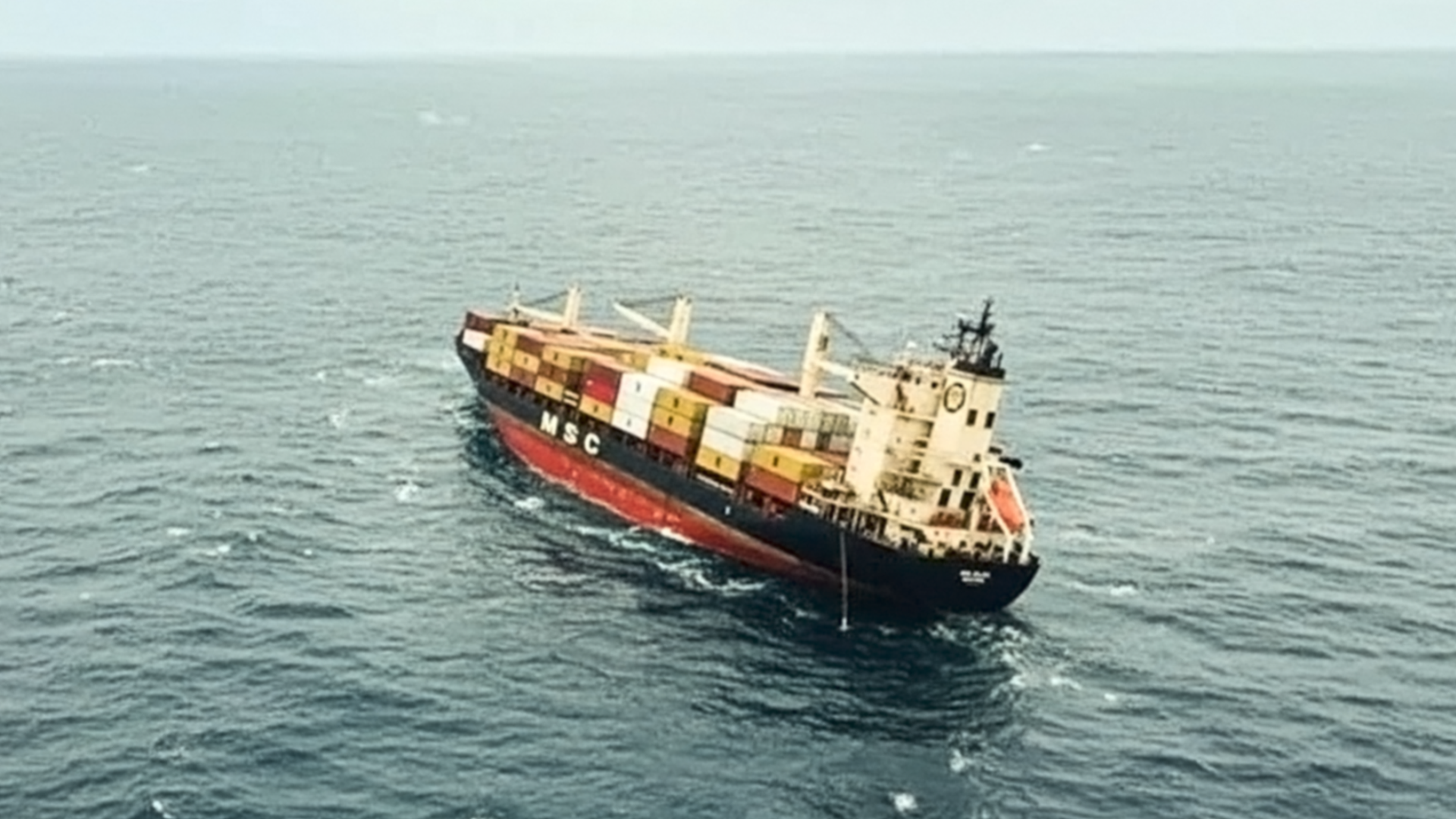
Seafarers navigating busy trade routes must stay alert to environmental threats from maritime accidents. A recent study reveals that Sri Lanka's coastlines suffer increasing pollution from tiny plastic pellets known as nurdles. These incidents stem from major ship disasters, releasing millions of pellets into the ocean. This article explores the issue, its impacts, and lessons for maritime professionals.
Background on Nurdle Spills
Nurdles are small plastic beads used in manufacturing. They measure about the size of a lentil and serve as raw material for plastic products. When containers fall overboard during storms or collisions, nurdles spill into the sea. They float easily and wash ashore in huge quantities.
In 2021, the container ship X-Press Pearl caught fire off Colombo's coast. It carried nearly 1,500 containers, including 87 filled with nurdles. The blaze and sinking released around 1,680 tons of these pellets. Waves spread them across beaches in Sri Lanka and beyond. Cleanup efforts continue years later, but many pellets remain buried in sand or floating at sea.
Another incident involved the MV Xpress Pearl's predecessor events, but the 2021 case stands as one of the worst. Research now shows nurdle levels rising along Sri Lankan shores. Scientists collected samples from beaches and found densities up to 1,000 pellets per square meter in affected areas.
Environmental and Health Impacts
Nurdles harm marine life in multiple ways. Fish, turtles, and birds mistake them for food. Ingested pellets block digestive systems or cause starvation. They also absorb toxins from seawater, transferring chemicals up the food chain.
For coastal communities, nurdles mix with sand and reduce beach quality. Fishermen report tangled nets and damaged catches. Tourism suffers as polluted shores deter visitors. Long-term effects include microplastic buildup in seafood, posing risks to human health.
The study warns of broader ecosystem damage. Mangroves and coral reefs trap nurdles, disrupting habitats. Degrading slowly, these plastics persist for decades.
Lessons for Seafarers and Ship Operators
Maritime training emphasizes accident prevention. Key strategies include secure container lashing and regular inspections. Crews should monitor weather forecasts and avoid high-risk routes in bad conditions.
In case of incidents, rapid response matters. Ships must report spills immediately to authorities. Onboard emergency plans should cover hazardous cargo like nurdles.
International rules, such as the MARPOL Convention, address plastic pollution. However, enforcement varies. Seafarers can contribute by participating in drills and reporting unsafe practices.
Ports play a role too. Better tracking of dangerous goods and improved loading procedures reduce risks. Training programs now include modules on plastic spill response.
Ongoing Research and Mitigation Efforts
Scientists track nurdle movement using satellite data and beach surveys. Volunteers organize cleanups, but manual removal proves challenging. Innovative tools like specialized vacuums show promise.
Sri Lanka's government pushes for stricter shipping regulations. Compensation claims from the X-Press Pearl incident highlight financial burdens on affected nations.
For mariners, awareness builds safer operations. Online courses cover environmental protection and cargo handling. Staying informed prevents future disasters.
Nurdle pollution underscores the need for vigilance at sea. By understanding these risks, seafarers protect oceans and livelihoods.
Resource: Marine Insight - Shipping News (original study reference).
There are no comments.
Similar Posts
-
How a Single Minor Component Failure Triggered Grounding, Sinking, and Port Blockage
June 1, 2026, 8:04 p.m.
-
Maritime Safety Analysis: Cargo Vessel Loss During Super Typhoon Gaemi
April 23, 2026, 6:48 p.m.
-
International Regulations for Safe and Efficient Container Shipping at Sea
Feb. 16, 2026, 7:31 a.m.