
Feb. 16, 2026, 7:31 a.m.
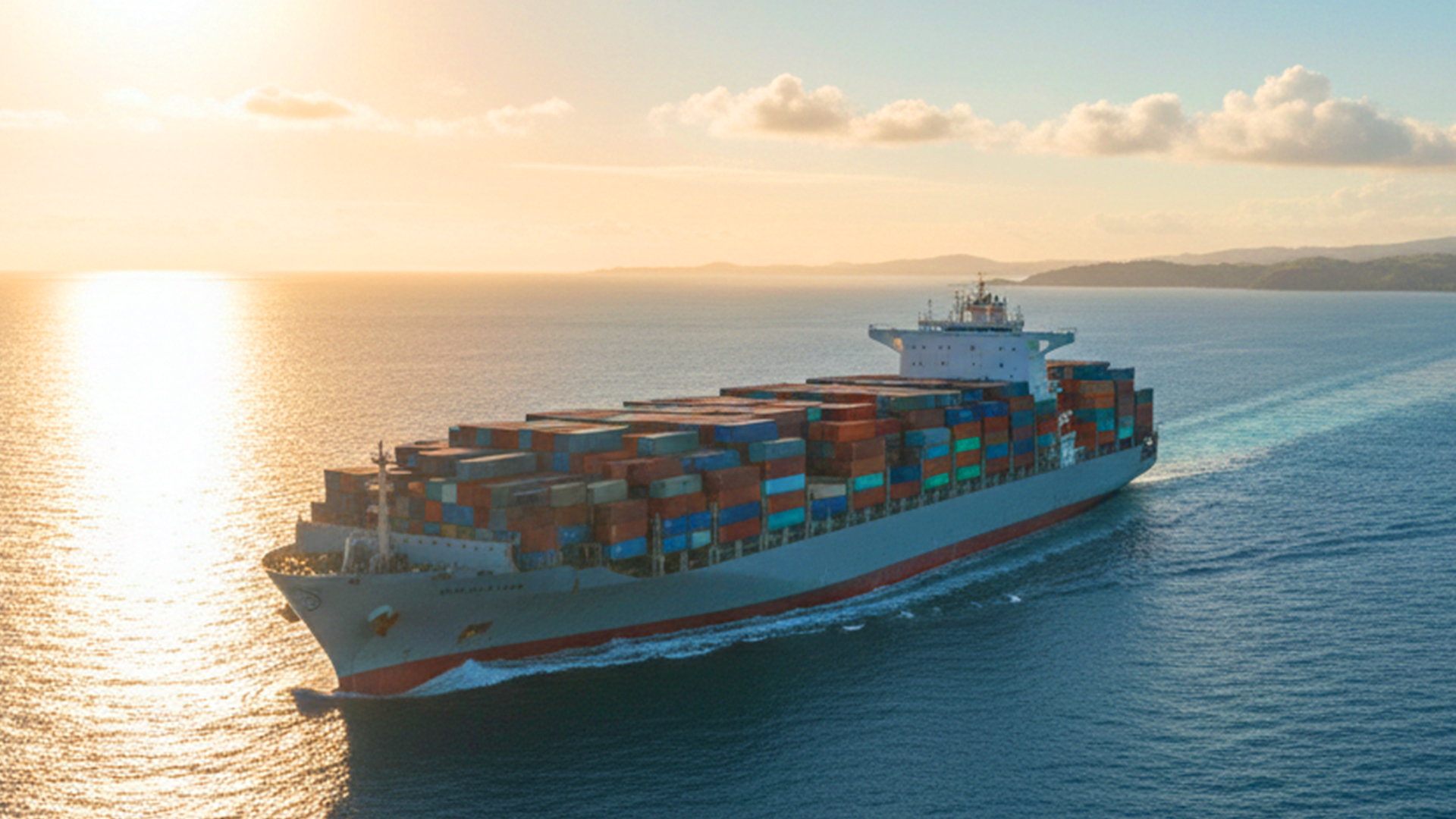
Maritime container transportation forms the backbone of global trade, moving billions of tons of goods annually. Ensuring both safety and operational efficiency in this sector relies on a framework of international standards developed by key organizations. These rules protect crews, vessels, cargo, and the marine environment while optimizing loading, stowage, and transit processes. Seafarers must understand these requirements to perform their duties effectively and contribute to incident-free voyages.
The primary framework governing container shipping safety is the International Convention for the Safety of Life at Sea (SOLAS), administered by the International Maritime Organization (IMO). Chapter VI of SOLAS addresses the carriage of cargoes and includes specific provisions for container stowage and securing on board ships. These rules ensure that containers do not shift excessively during heavy weather, which could compromise vessel stability or lead to loss overboard.
A critical amendment to SOLAS, effective since 2016, mandates the Verified Gross Mass (VGM) declaration. Before a container can be loaded onto a ship, the shipper must provide the accurate total gross mass, verified by either weighing the packed unit or calculating it based on cargo and packaging weights plus the container tare. Incorrect weight declarations remain a leading cause of stability issues, stack collapses, and accidents. Compliance with VGM helps masters and officers maintain proper trim, stability, and stress levels throughout the voyage.
Complementing SOLAS is the IMO/ILO/UNECE Code of Practice for Packing of Cargo Transport Units (CTU Code), adopted in 2014. Although non-mandatory, this code provides detailed, practical guidance on safe packing, load distribution, and securing inside containers and other units. It addresses risks such as cargo shifting, overweight axles on road transport, condensation damage, and improper handling of dangerous goods. The CTU Code emphasizes responsibility across the supply chain: packers must ensure even weight distribution, use appropriate securing materials (lashing, blocking, bracing), and avoid overloading. It also covers checks for container condition upon receipt, including structural integrity, cleanliness, and absence of pest contamination.
Container construction and maintenance follow the International Convention for Safe Containers (CSC), also under IMO. CSC sets minimum standards for design strength, testing procedures, and periodic inspections (via safety approval plates). Containers must withstand stacking forces, racking stresses, and lifting loads without failure. Regular CSC inspections every 30 months (or under the Approved Continuous Examination Programme) help detect damage early and prevent structural failures at sea.
Efficiency in container operations ties closely to safety. Standardized ISO dimensions (e.g., ISO 668 for sizes and ratings) enable seamless intermodal transfer between ships, trucks, trains, and terminals. Uniform corner fittings (ISO 1161) and handling guidelines (ISO 3874) reduce delays and accidents during loading/unloading. Proper packing per CTU Code minimizes cargo claims, reduces restowage needs, and optimizes vessel slot utilization, leading to better fuel efficiency and schedule reliability.
Additional IMO instruments support these core standards. The IMDG Code governs dangerous goods in containers, requiring correct classification, packaging, marking, and segregation. Recent updates to energy efficiency rules (EEDI, CII) encourage low-emission practices, indirectly promoting efficient container loading to reduce fuel consumption per ton-mile.
Seafarers play a vital role in upholding these standards. Deck officers verify VGM documentation, check stowage plans against weather forecasts, and monitor lashings during passages. Regular familiarization with CTU Code principles helps identify poor packing during cargo surveys or when containers arrive at the vessel.
In summary, adherence to SOLAS, CSC, CTU Code, and related IMO guidelines creates a robust system that balances safety with efficiency in container shipping. Continuous training and awareness remain essential for crews navigating today's complex supply chains.
Resource IMO official page on CTU Code and container safety: www.imo.org/en/OurWork/Safety/Pages/CTU-Code.aspx
There are no comments.
Similar Posts
-
Top 10 ECDIS Mistakes Leading to Serious Port State Control Issues in 2025
Dec. 17, 2025, 9:55 a.m.
-
Safety Alert: Preventing Unintended Launches of Free-Fall Lifeboats
Nov. 22, 2025, 4:57 p.m.
-
Mandatory Reporting of Lost Shipping Containers Starts in 2026
Oct. 27, 2025, 9:03 a.m.
-
How a Single Minor Component Failure Triggered Grounding, Sinking, and Port Blockage
June 1, 2026, 8:04 p.m.