
Nov. 19, 2025, 9:31 a.m.
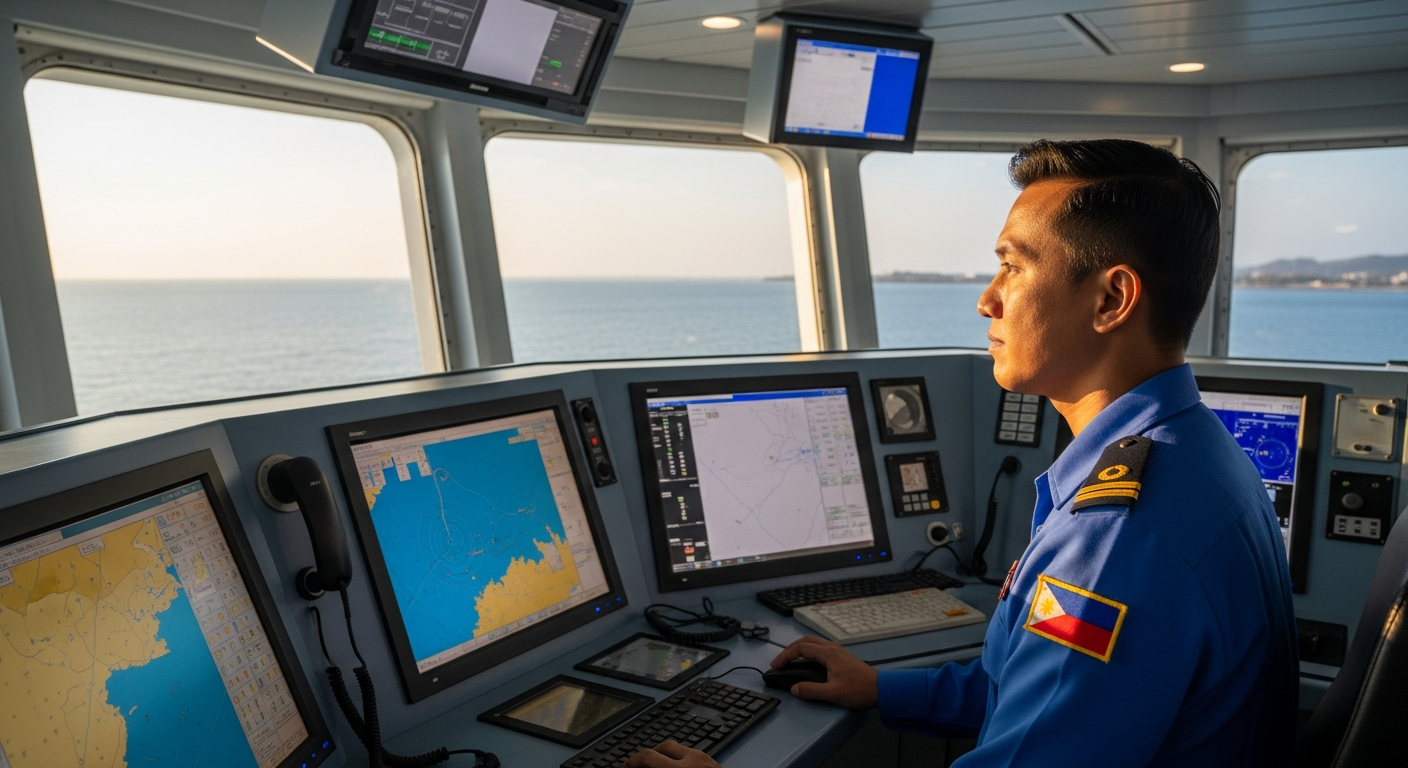
The Philippines stands as the world's top supplier of maritime crew, with Filipino seafarers making up over 25 percent of the global shipping workforce. For years, the full economic value of this vital sector has been underestimated or based on rough estimates. A comprehensive new report now provides solid data, highlighting the massive contributions of seafarers while urging policymakers to protect the industry's future through high training standards and international compliance.
According to the study, the overseas seafaring sector generated an impressive $17 billion in total economic activity for the Philippines in 2024 alone. This includes direct and indirect effects that touch nearly every corner of the economy. The industry directly employs close to 400,000 people and accounts for roughly four percent of the nation's gross domestic product (GDP). Foreign shipowners alone injected $923 million into local businesses through crewing agencies, training providers, and support services.
At the heart of this impact are the seafarers themselves. Their hard-earned wages translate into $2.5 billion in direct household income across the country. Even more significant are the remittances sent home, which totaled $5.6 billion last year. These funds flow into communities, fueling consumer spending, small business growth, job creation in related fields, and increased tax revenues for the government.
Researchers found a powerful multiplier effect: for every peso remitted by a Filipino seafarer, nearly three additional pesos circulate through the broader economy. This ripple supports thousands of onshore jobs in areas such as manning agencies, maritime logistics, education and certification centers, insurance providers, and legal services. In short, the seafaring profession is one of the Philippines' most effective engines for sustainable development and poverty reduction.
The report emphasizes that this economic powerhouse relies heavily on global trust in Filipino crew members. Shipowners worldwide choose Philippine manpower for its reputation of skill, dedication, and English proficiency. However, recent challenges threaten this confidence. Concerns over training quality have led to warnings from bodies like the European Commission about potential restrictions on Filipino officers and ratings serving on EU-flagged vessels. Additionally, stricter immigration enforcement in major markets like the United States has resulted in disruptions for some seafarers.
Experts stress that maintaining world-class maritime education and full adherence to Standards of Training, Certification and Watchkeeping (STCW) conventions are non-negotiable. Investments in modern simulators, updated curricula, and rigorous quality assurance will ensure Filipino seafarers remain the preferred choice for international fleets.
For aspiring and current seafarers, this study underscores the pride and responsibility of the profession. Your work does far more than provide for your families; it powers national growth and positions the Philippines as a maritime leader. By committing to continuous professional development and upholding the highest safety and competency standards, you help secure these benefits for generations to come.
Source: Based on the article by The Maritime Executive (November 2025).
There are no comments.
Similar Posts
-
Human Capital in the Green Transition: Preparing the Future Maritime Workforce
May 25, 2026, 6:31 p.m.
-
Cruise Sector Revival: Attracting Younger Guests with Eco-Friendly Innovations
Nov. 5, 2025, 8:19 a.m.
-
Seafarers Happiness Index Q2 2025: Rising Morale Amid Safety Concerns
Aug. 6, 2025, 6:42 p.m.
-
Pacific Thermal Anomalies and Panama Canal Transit Constraints
Sept. 1, 2026, 7:49 p.m.