
Sept. 1, 2026, 7:49 p.m.
An Operational Assessment for Bridge Officers, Voyage Planners, and Vessel Commanders
1. Introduction and Meteorological Context
Navigational planning across major interoceanic choke points requires a thorough understanding of global atmospheric and oceanic patterns. Recent environmental data confirms a pronounced intensifying trend in the tropical Pacific, with atmospheric forecasters indicating a likelihood exceeding 90% that a severe El Niño event will persist through the autumn and winter seasons.
Surface temperature monitoring across the eastern and central equatorial Pacific reveals thermal metrics far above historical averages. Specifically, key monitoring zones such as the Niño 3.4 region report weekly anomalies reaching 1.8 degrees Celsius above normal baseline levels, while eastern sectors exhibit departures as high as 3.5 degrees Celsius. These physical conditions, combined with fully aligned atmospheric feedback loops, indicate an intense, prolonged climate anomaly expected to extend well into early 2027 before atmospheric equilibrium begins to recover.
2. Hydrological Impact on the Panama Canal Watershed
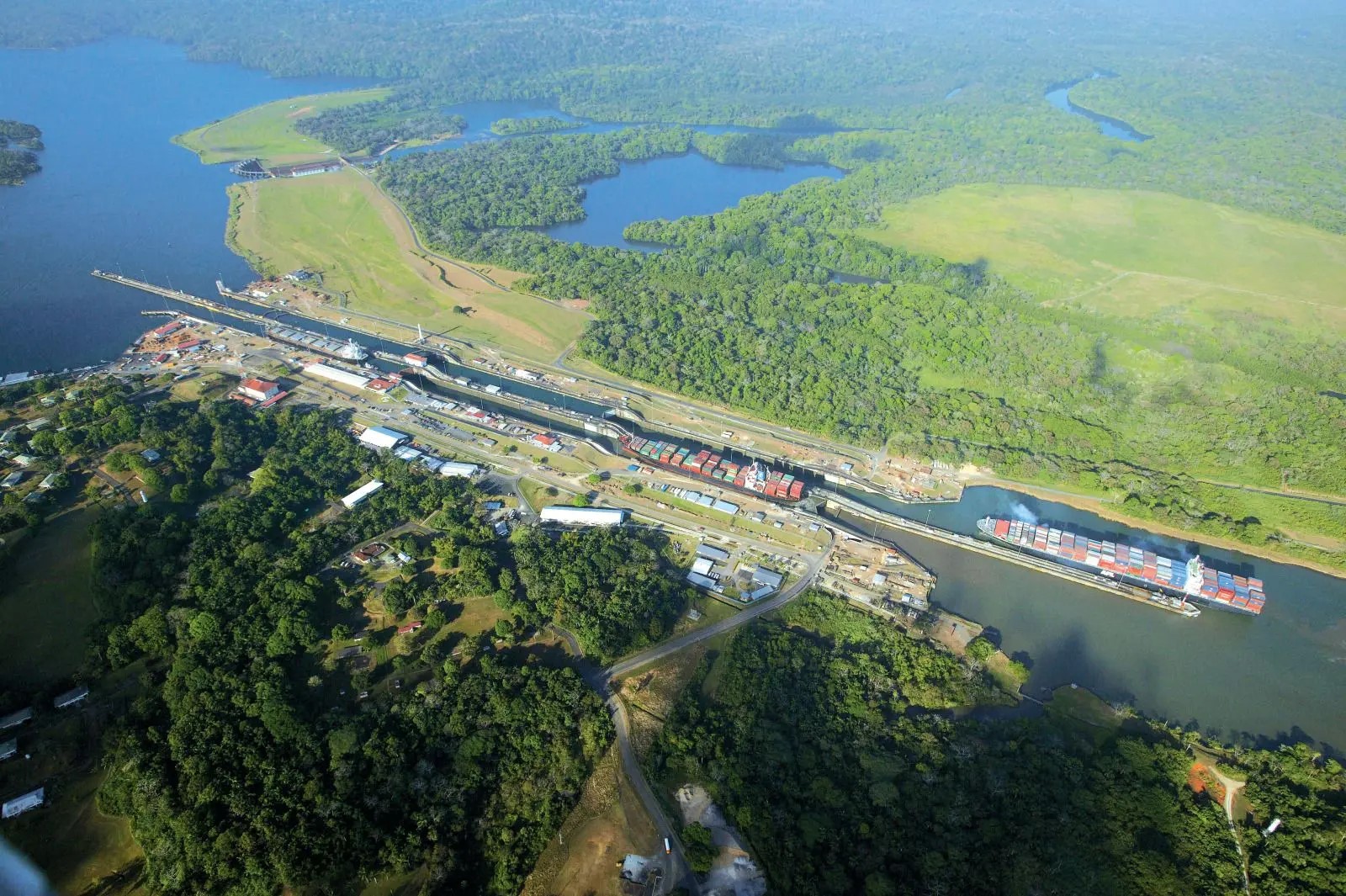
For deck officers and chartering departments, the immediate concern centered around this meteorological shift is the freshwater supply of the Panama Canal system. Unlike sea-level canals such as the Suez Canal, the Panama Canal relies entirely on freshwater harvested from Gatun Lake and Alajuela Lake to operate its lock systems and maintain minimum draft levels.
The Canal Authority has officially stated that the current disruption is estimated to last approximately eight months. The operational difficulty is compounded by pre-existing hydrological deficits within the surrounding basin. Soil moisture content in the catchment areas is substantially depleted, drastically reducing natural water retention and surface runoff into the feeder lakes. Consequently, precipitation events yield significantly less net water accumulation than required under standard operational profiles.
3. Operational Capacity Restrictions and Slot Allocation
To preserve adequate water levels for essential transits, the Panama Canal Authority has instituted strict daily transit quotas and draft limits. Navigators and shipping companies must account for these immediate operational constraints:
- Neopanamax Locks: Reduced to 9 daily transit slots.
- Panamax Locks: Reduced to 23 daily transit slots (following an initial step-down to 25 slots).
These measures evoke memory of previous major drought cycles, such as the severe 2023–2024 event, during which total canal transits plummeted by nearly 29%, liquefied natural gas (LNG) carrier transits dropped by 66%, and vessel queues reached over 150 ships at anchorage. However, current market conditions introduce unique complexities: overall shipping demand across the Western Hemisphere remains exceptionally robust.
Panama Canal management is actively encouraging vessel operators to maximize cargo intake per transit by consolidating shipments onto larger vessels where draft permits. Shipmasters should ensure precise stability and draft calculations prior to entering canal approach channels to avoid unexpected draft clearance penalties or transit rejections.
4. Commercial and Route Planning Consequences
Geopolitical disruptions in alternative maritime corridors, notably in the Middle East, have redirected significant liquid bulk and energy carrier traffic toward the Panamanian route. Coupled with surging regional demand for LPG and LNG transportation, competition for non-booked transit slots has escalated dramatically. Recent competitive slot auctions have recorded bids reaching unprecedented levels, forcing charterers to re-evaluate route economics.
For navigation officers and voyage planners, this scenario demands flexible routing strategies. Ships failing to secure pre-booked slots face extended anchorage delays at Balboa or Cristóbal, directly impacting fuel consumption, laycan commitments, and operational schedules. Thorough evaluation of alternative transit routes, including long-haul cape routes, must be conducted during initial voyage appraisal phases.
Resource: gCaptain Maritime News (gcaptain.com)
There are no comments.
Similar Posts
-
Enhancing Voyage Planning: Introducing Sofar's Advanced Simulation Software
Oct. 3, 2025, 11:15 a.m.
-
Panama Canal Enhances Booking System for Improved Reliability and Adaptability
Sept. 30, 2025, 7:22 a.m.
-
Human Capital in the Green Transition: Preparing the Future Maritime Workforce
May 25, 2026, 6:31 p.m.