
Nov. 25, 2025, 8:01 p.m.
Introduction to Green Hydrogen in Maritime Operations
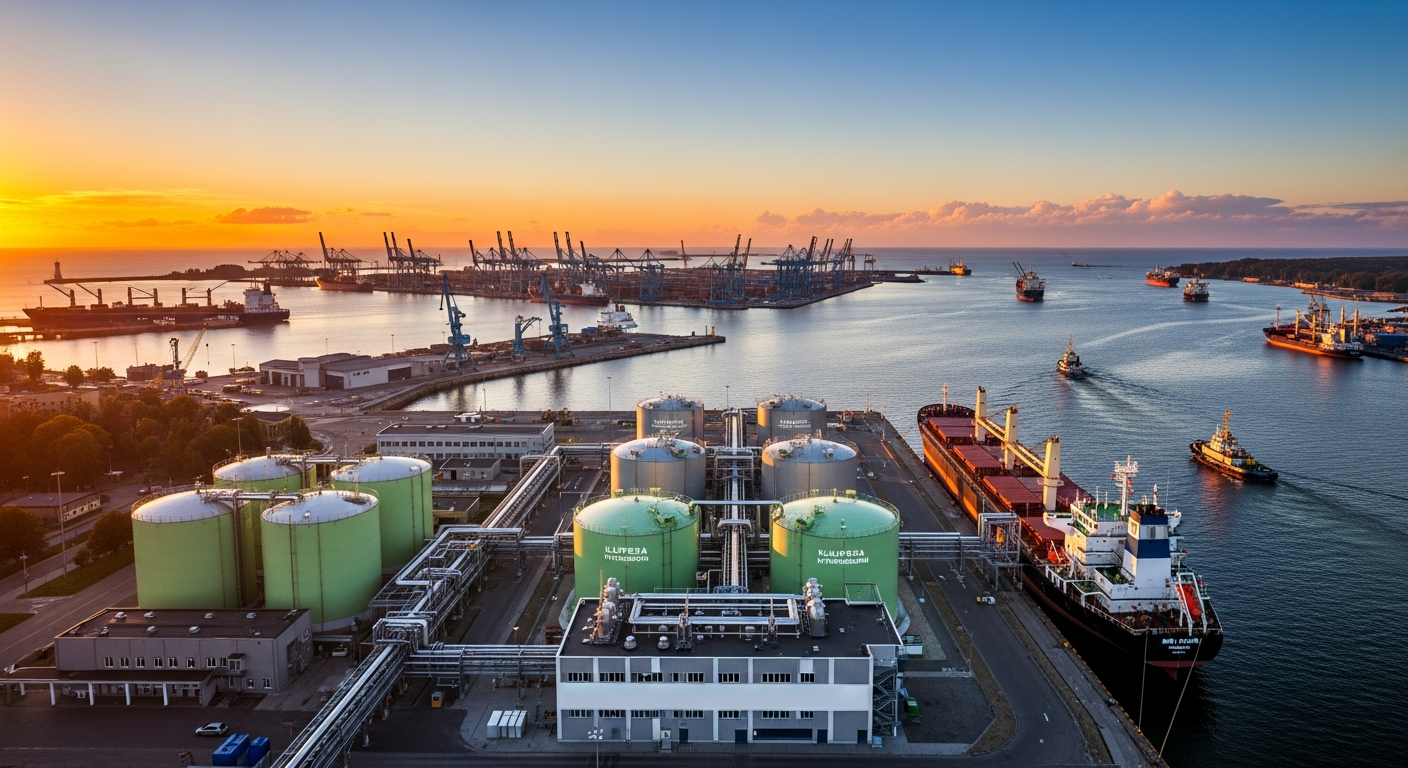
In the dynamic world of maritime training, staying ahead of emerging technologies is crucial for future seafarers. Green hydrogen, produced through electrolysis using renewable energy sources, represents a transformative fuel for shipping. Unlike traditional fossil fuels, it emits no carbon dioxide during combustion, aligning with global efforts to decarbonize the industry. Ports like Klaipėda in Lithuania are at the forefront of this shift, positioning themselves as hubs for hydrogen production, storage, and distribution. This development not only promises cleaner voyages but also opens new career paths in alternative energy management aboard vessels. Understanding these advancements equips trainee officers and crew with the knowledge to navigate sustainable shipping practices effectively.
The Baltic Sea region, with its strong winds and solar potential, offers ideal conditions for green hydrogen initiatives. As international regulations tighten on emissions, such as those from the International Maritime Organization's (IMO) strategy targeting net-zero by 2050, ports must innovate. Klaipėda's progress exemplifies how infrastructure investments can support the maritime sector's green transition, reducing reliance on imported fuels and enhancing regional energy security.
Key Developments in Klaipėda's Hydrogen Strategy
Recent milestones mark Klaipėda Port's journey toward becoming the Baltic's premier green hydrogen facility. A collaborative agreement signed by key stakeholders outlines a roadmap for production and bunkering capabilities. This pact involves the port authority, local energy firms, and international partners focused on renewable technologies. The initiative aims to integrate hydrogen electrolyzers directly into port operations, leveraging surplus renewable electricity to split water into hydrogen and oxygen.
One pivotal step is the planned installation of a 100-megawatt electrolysis plant by 2027. This facility will generate up to 20,000 tons of green hydrogen annually, sufficient to fuel a fleet of short-sea vessels operating in the Baltic. For maritime trainees, this means learning about hydrogen's properties: its high energy density by weight, cryogenic storage requirements at minus 253 degrees Celsius, and safety protocols to prevent leaks or explosions. Crew members will need specialized training in handling hydrogen-fueled engines, which operate on fuel cells converting hydrogen and oxygen into electricity, water, and heat.
The project also addresses bunkering infrastructure, essential for safe refueling at sea. Dedicated terminals will allow ships to load liquid or gaseous hydrogen, minimizing downtime. This setup draws parallels to current LNG operations but introduces unique challenges, such as material compatibility with hydrogen's embrittling effects on metals. Aspiring engineers should study these aspects to ensure vessel integrity during hydrogen adoption.
Environmental and Economic Implications for Seafarers
The environmental benefits are profound. By replacing heavy fuel oil, green hydrogen could slash CO2 emissions by over 90% per voyage, aiding compliance with the EU's Fit for 55 package. In the classroom, simulations of emission calculations can illustrate this: for a 10,000-ton cargo ship traveling 1,000 nautical miles, traditional fuels emit approximately 50 tons of CO2, while hydrogen drops this to near zero. Trainees can practice these computations to forecast fuel needs under new regulations.
Economically, the hub will create jobs in hydrogen logistics, from production technicians to maritime hydrogen officers. Ports like Klaipėda forecast a 20% rise in related employment by 2030, offering seafarers opportunities in green supply chains. Challenges include initial high costs for electrolyzers, around 500 euros per kilowatt, but falling prices due to technological scaling make it viable. For deck officers, this means mastering route optimizations that incorporate hydrogen availability, using tools like voyage planning software integrated with port data.
Safety remains paramount. Hydrogen's flammability requires enhanced ventilation systems and sensor arrays on ships. Training modules should cover emergency responses, such as isolating leaks and using inert gas purging. Real-world case studies from pilot projects in Norway and Japan provide valuable lessons for Baltic applications.
Future Prospects and Training Recommendations
Looking ahead, Klaipėda's hub could serve as a model for other Baltic ports, fostering a hydrogen corridor from Lithuania to Sweden. By 2030, projections suggest 10% of regional short-sea traffic will use hydrogen, driving demand for certified crew. Maritime academies should incorporate modules on hydrogen fundamentals, including thermodynamics of storage and integration with hybrid propulsion systems.
To prepare, trainees are encouraged to explore certifications from bodies like the Baltic and International Maritime Council (BIMCO). Hands-on workshops simulating hydrogen bunkering will build confidence. As the industry evolves, seafarers who embrace these changes will lead the charge toward sustainable oceans.
In summary, Klaipėda's strides in green hydrogen underscore the maritime sector's commitment to innovation. By grasping these concepts, future sailors not only enhance their employability but also contribute to a greener planet.
Adapted from Hellenic Shipping News Worldwide
There are no comments.
Similar Posts
-
Human Capital in the Green Transition: Preparing the Future Maritime Workforce
May 25, 2026, 6:31 p.m.
-
Private Equity Firms Vie for Ownership of Everllence, Key Supplier of Marine Propulsion Engines
Feb. 19, 2026, 6:58 a.m.
-
Everllence's Dual-Fuel Engine Innovations: Paving the Way for Sustainable Maritime Propulsion
Oct. 8, 2025, 2:37 p.m.