Nov. 7, 2025, 3:01 p.m.
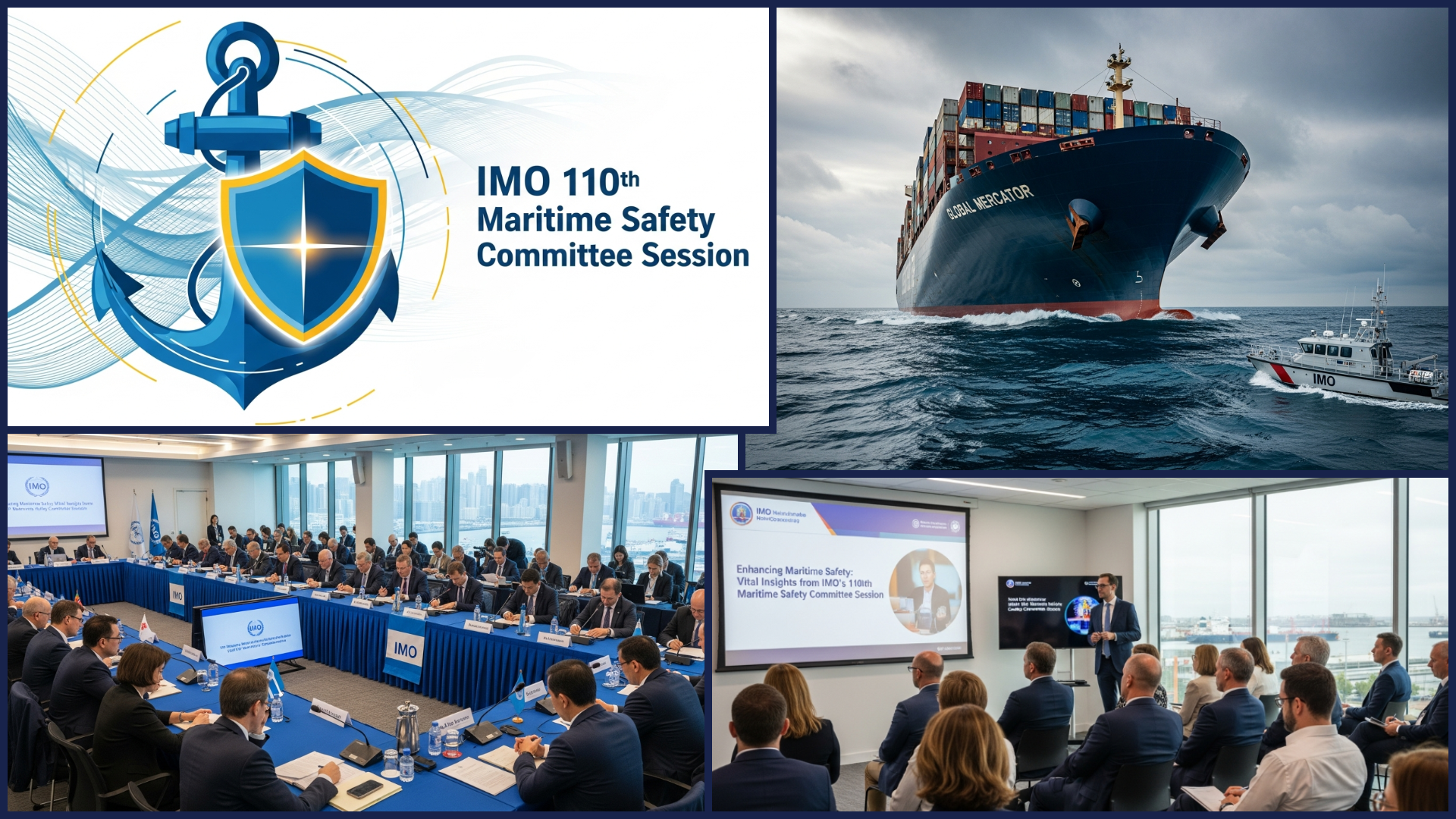
As seafarers navigate the ever-evolving challenges of the maritime industry, staying informed about international regulations is crucial for personal safety, operational efficiency, and environmental responsibility. The International Maritime Organization's (IMO) Maritime Safety Committee (MSC) plays a pivotal role in shaping these standards. Its 110th session, held from June 18 to 27, 2025, in London, delivered a series of forward-thinking decisions aimed at bolstering safety and security at sea. This article breaks down the key outcomes, explaining their practical implications for crew members, officers, and ship operators. By understanding these updates, you can better prepare for compliance, enhance risk management, and contribute to safer voyages.
Strengthening Safety Equipment and Procedures
One of the session's standout achievements was the adoption of amendments to SOLAS Chapter V, Regulation 23, focusing on pilot transfer arrangements. These changes mandate improved designs for pilot ladders, mechanical hoists, and embarkation platforms to accommodate varying ship drafts and trims. For seafarers, this means fewer accidents during the high-risk process of boarding or disembarking pilots - a routine that often occurs in rough seas. New installations must comply by January 1, 2028, while existing ones follow during their first survey after that date. Crews should prioritize familiarization training and regular inspections to ensure equipment meets the new performance standards, reducing slip-and-fall incidents that claim lives annually.
Fire safety received attention too, with corrections to SOLAS Chapter II-2 references on fire integrity. These tweaks align tables for bulkhead and deck constructions, ensuring consistent protection in high-risk areas like engine rooms. Onboard, this translates to clearer guidelines for welding, hot work, and compartmentation checks, helping watchkeepers and maintenance teams prevent escalation from small fires to emergencies.
Life-saving appliances also saw harmonization. Amendments to the 1994 and 2000 High-Speed Craft (HSC) Codes now match SOLAS Chapter III requirements for life jackets, including options for infants and larger individuals. Effective January 1, 2028, these updates standardize gear across vessel types, making abandon-ship drills more inclusive and effective. Seafarers on ferries or offshore support vessels should verify inventory lists and practice donning procedures to build confidence in life-saving protocols.
Advancing Cargo and Fuel Safety in a Green Transition
The International Maritime Solid Bulk Cargoes (IMSBC) Code underwent significant revisions, with new schedules for materials like pea protein concentrate and aluminum sulphate, plus reclassifications for fish meal. A key prohibition: no hold entry for temperature checks on ferrous metal borings to avoid toxic gas risks. These enter force on January 1, 2027, and directly impact deck officers and stevedores. During loading, use remote monitoring tools where possible, and always conduct atmosphere tests before entry. Segregation rules now align with the IMDG Code, minimizing chemical reactions that could destabilize cargo and endanger the crew.
Shifting to sustainable fuels, the MSC clarified the International Code of Safety for Ships using Gases or other Low-flashpoint Fuels (IGF Code). It now applies to all gaseous fuels, regardless of flashpoint, with a precise definition added. This paves the way for ammonia and hydrogen propulsion, entering force July 1, 2028. For engineers and fuel handlers, this means updated risk assessments for leaks or ignitions in bunkering operations. The "One Ship, One Code" policy was reaffirmed for gas carriers using cargoes as fuel, preventing regulatory overlaps that confuse compliance. Training on these systems is non-negotiable - expect interim STCW guidelines (STCW.7/Circ.25) to guide certification for alternative fuel handling, emphasizing ventilation, detection, and emergency shutdowns.
Preparing for Autonomous and Digital Seas
Progress on the Maritime Autonomous Surface Ships (MASS) Code marks a glimpse into the future. The non-mandatory, goal-based framework covers 18 chapters, including human elements, and requires unmanned vessels to aid in search-and-rescue. Adoption is slated for MSC 111 in May 2026, with mandatory rules from 2032. While autonomy may reduce onboard crews, it heightens the need for remote operators to master oversight tools. Current seafarers should explore MASS simulations in training to adapt to hybrid roles, ensuring seamless transitions without safety gaps.
Cybersecurity emerged as a growing concern, with plans for a non-mandatory code based on updated MSC-FAL circulars. This addresses vulnerabilities in navigation and communication systems, where hacks could lead to collisions or data breaches. Bridge teams: Implement regular software patches, conduct phishing drills, and log access points to fortify digital defenses.
Empowering Seafarers Through Training and Emergency Preparedness
The MSC approved interim training guidelines for alternative fuels and technologies, a boon for decarbonization efforts. These STCW-aligned modules cover everything from fuel properties to spill response, helping crews transition safely to low-emission ships. Enroll early - they fill gaps in traditional curricula, boosting employability in green fleets.
Emergency towing got a boost with SOLAS extensions to non-tankers over 20,000 GT, effective January 1, 2028. New interim guidelines detail gear arrangements and procedures, empowering chief mates to rig tows swiftly in breakdowns. Pair this with revised enclosed space entry recommendations (Resolution A.1050(27)), which stress gas monitoring and standby personnel, slashing asphyxiation risks during tank cleanings.
Other tweaks include remote inspections for bulk carriers via the 2011 ESP Code, easing surveys without confined access, and updated alerts/indicators code for clearer emergency signaling.
Looking Ahead: Your Role in Safer Seas
The MSC 110 outcomes underscore IMO's commitment to proactive safety amid climate and tech shifts. For seafarers, these aren't just rules - they're tools to mitigate daily hazards, from pilot transfers to fuel innovations. Integrate them into safety management systems, participate in drills, and advocate for robust training. By embracing these changes, you safeguard lives, vessels, and the oceans we rely on.
As the industry sails toward net-zero, MSC 111 will build on this momentum. Stay vigilant, stay certified, and remember: Safety starts with you.
Source: Summarized from IMO MSC 110 reports by SAFETY4SEA and Lloyd's Register (June 2025).
There are no comments.
Similar Posts
-
GPS Interference Challenges in the Gulf: Key Insights for Seafarers
Oct. 8, 2025, 2:26 p.m.
-
How a Single Minor Component Failure Triggered Grounding, Sinking, and Port Blockage
June 1, 2026, 8:04 p.m.
-
Fumigation Tragedy at Sea: Fatal Phosphine Poisoning Claims Lives of Chief and Third Officers
May 12, 2026, 9:26 a.m.