Aug. 2, 2025, 6:42 p.m.
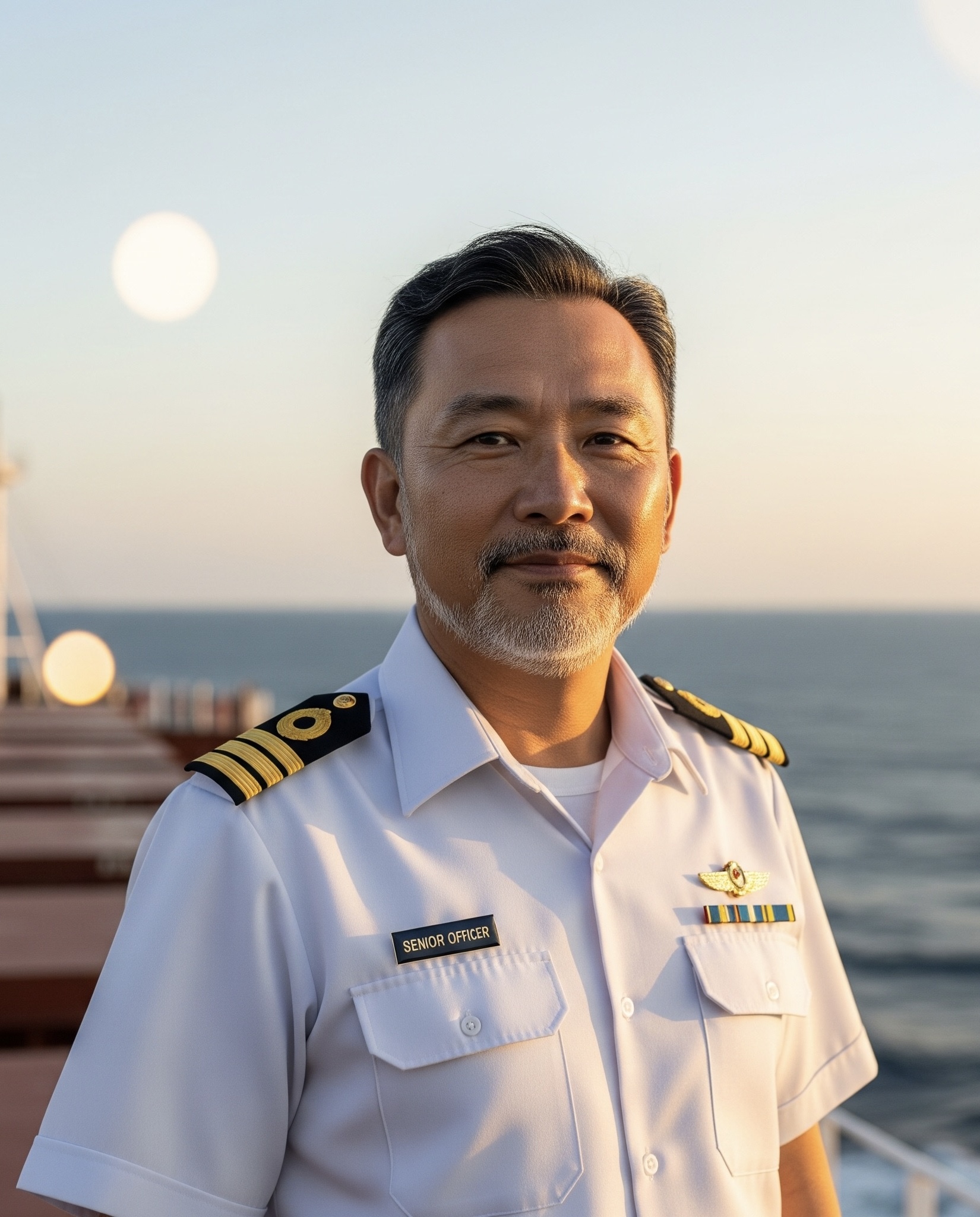
As a captain in the shipping industry, I’ve seen firsthand how the recent EU, UK, and US sanctions are shaking things up. Targeting Russian oil tankers and now expanding to containerships, these measures are hitting hard. Tankers were the first to feel it—many sitting idle as sanctions grew, especially with the US and EU going after refineries using Russian oil. Trump’s threat to target more buyers if his Ukraine ceasefire deadline isn’t met adds pressure.
This year, the US hit Iran’s “teapot” refineries in China under its “maximum pressure” campaign, while the EU closed loopholes on Russian refined products, naming India’s Nayara Energy for its Rosneft ties. Reuters reported on July 31 that India’s state refineries are halting Russian oil imports, leaving four tankers idling off India—loaded from Primorsk and Ust-Luga in late June, per Bloomberg.
Three more tankers, caught in the US’s widened Iran sanctions net, are diverting, carrying Russian oil linked to Mohammad Hossein Shamkhani’s network. The US also listed over 50 vessels, including 22 containerships, for using tactics like turning off AIS and falsifying cargo docs. Singapore’s SeaLead, where I’ve worked on some charters, got hit hard—16 of its vessels, maybe a third of its 55-ship, 200,000-TEU fleet, are sanctioned. They’ve terminated those charters to stay compliant.
The US Treasury’s OFAC gave a “General License” allowing safety and cargo offloading for these ships by October 1, but no new contracts or stops in Iran/Russia. It’s a tough fix for us mechanics keeping these vessels running amidst all this chaos!
Similar Posts
-
Global Maritime Regulations and Geopolitics: Understanding the New 30-Day Russian Oil Waiver
May 18, 2026, 7:07 p.m.
-
The Persistent Rise of the Shadow Fleet: Navigating Sanctions, Risks, and Growing Demand
Aug. 13, 2025, 6:18 p.m.
-
Modern Shipping: How Resilience, Digital Tools and Sustainability Shape Your Work at Sea
Feb. 10, 2026, 4:45 p.m.