May 18, 2026, 7:07 p.m.
Introduction for Maritime Professionals
For seafarers, officers, and maritime students, understanding global energy logistics and international sanctions is as critical as mastering navigation. Regulatory shifts directly impact vessel routing, cargo availability, charter parties, and legal compliance. Recently, the U.S. Department of the Treasury introduced a significant regulatory update that affects tankers, global trade routes, and international shipping operations.
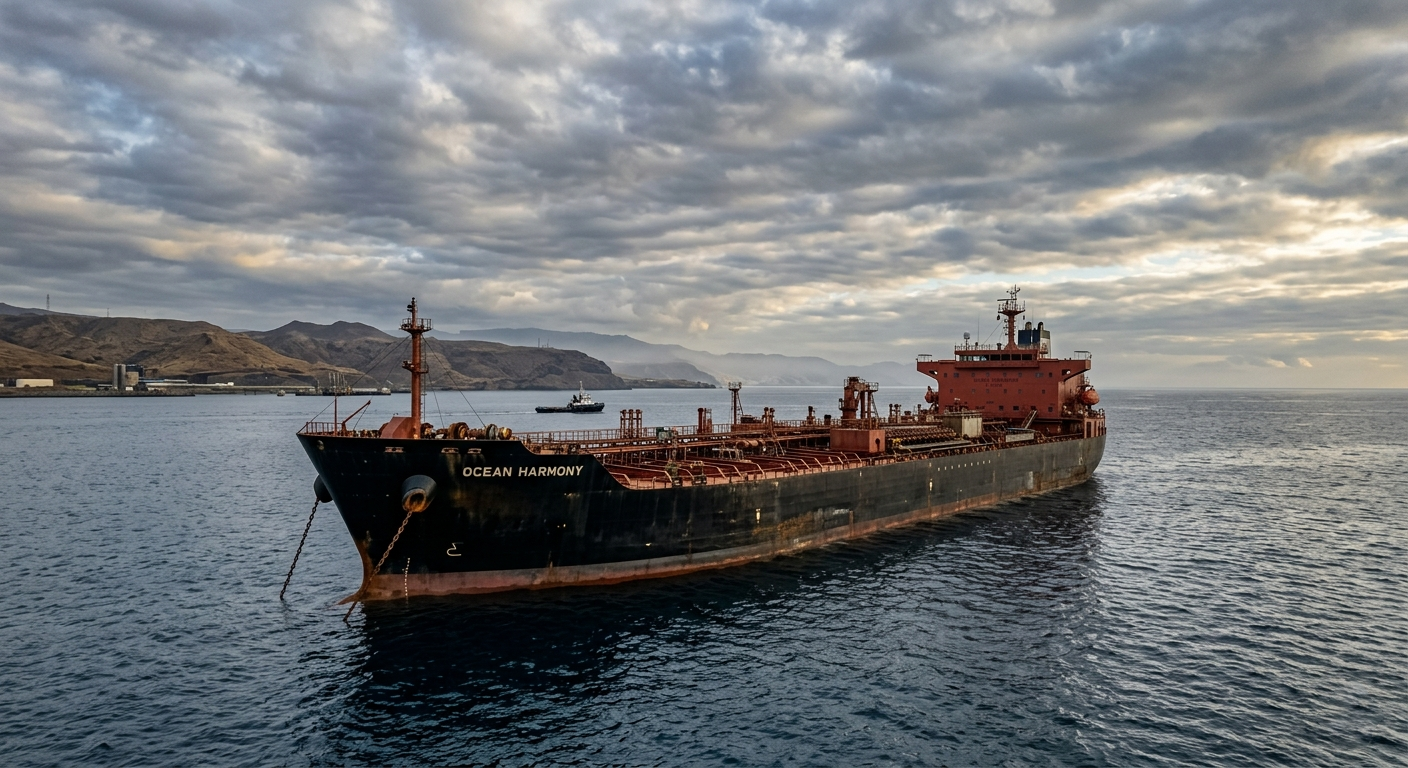
The U.S. Treasury Department has officially issued a temporary 30-day general license. This regulatory decision allows specific vulnerable nations to access Russian crude oil shipments that are currently stranded at sea. The primary goal of this policy shift is to stabilize international crude oil markets. These markets are under immense pressure due to the ongoing maritime security crisis in the Strait of Hormuz.
The Core Context of the Policy Shift
The new directive builds upon previous Russia-related sanctions relief measures implemented by the Office of Foreign Assets Control, known as OFAC. These earlier decisions permitted the delivery of Russian crude oil that had already been loaded onto vessels before specific regulatory deadlines.
According to official statements, this new 30-day window provides vital flexibility for nations heavily dependent on energy imports. Additionally, the policy is structured to prevent specific nations, such as China, from stockpiling heavily discounted oil. By redirecting the flow of stranded cargoes to regions facing severe energy shortages, international regulators aim to create a more balanced global supply chain.
The decision comes at a critical moment. The previous waiver had lapsed just days prior, causing immediate concern across global energy markets. This rolling series of temporary authorizations reflects how deep the shipping crisis in the Middle East has become. Millions of barrels of oil have been left stranded or delayed, forcing regulatory bodies to adapt swiftly.
Impact on Maritime Operations and Seafarers
For the maritime workforce, these shifting rules have practical implications. When energy corridors like the Strait of Hormuz face severe disruptions, the maritime industry experiences immediate consequences.
- Cargo Status and Stranded Vessels: Tanker crews often find themselves waiting in anchorage zones when sanctions or geopolitical tensions freeze cargo transactions. This extension offers operational clarity for vessels holding these specific cargoes, allowing them to finally proceed to discharge ports.
- Freight Rates and Insurance Costs: Maritime analysts warn that prolonged instability in the Middle East will continue to tighten physical crude availability. For shipping companies, this means higher operational costs, increased war-risk insurance premiums, and fluctuating freight rates.
- Seafarer Security and Routing: As traditional routes become volatile, ships are frequently rerouted around the Cape of Good Hope or forced to wait out regulatory decisions. This increases time at sea and modifies standard voyage planning.
Conclusion and Educational Takeaway
Modern seafarers must look beyond the horizon of their own vessel. The interaction between Middle Eastern maritime chokepoints and Western regulatory sanctions demonstrates that shipping is completely interconnected with global politics. Tanker officers and shoreside managers must remain vigilant, continuously monitoring OFAC updates and regional security alerts to ensure total compliance and safe passage.
Resource: Based on maritime industry updates from gCaptain.
There are no comments.
Similar Posts
-
Sanctions Now Affect Containerships Beyond Tankers
Aug. 2, 2025, 6:42 p.m.
-
Modern Shipping: How Resilience, Digital Tools and Sustainability Shape Your Work at Sea
Feb. 10, 2026, 4:45 p.m.
-
Panama Supreme Court Annuls CK Hutchison's Concession for Key Canal Ports
Feb. 6, 2026, 8:03 a.m.