
Feb. 10, 2026, 4:45 p.m.
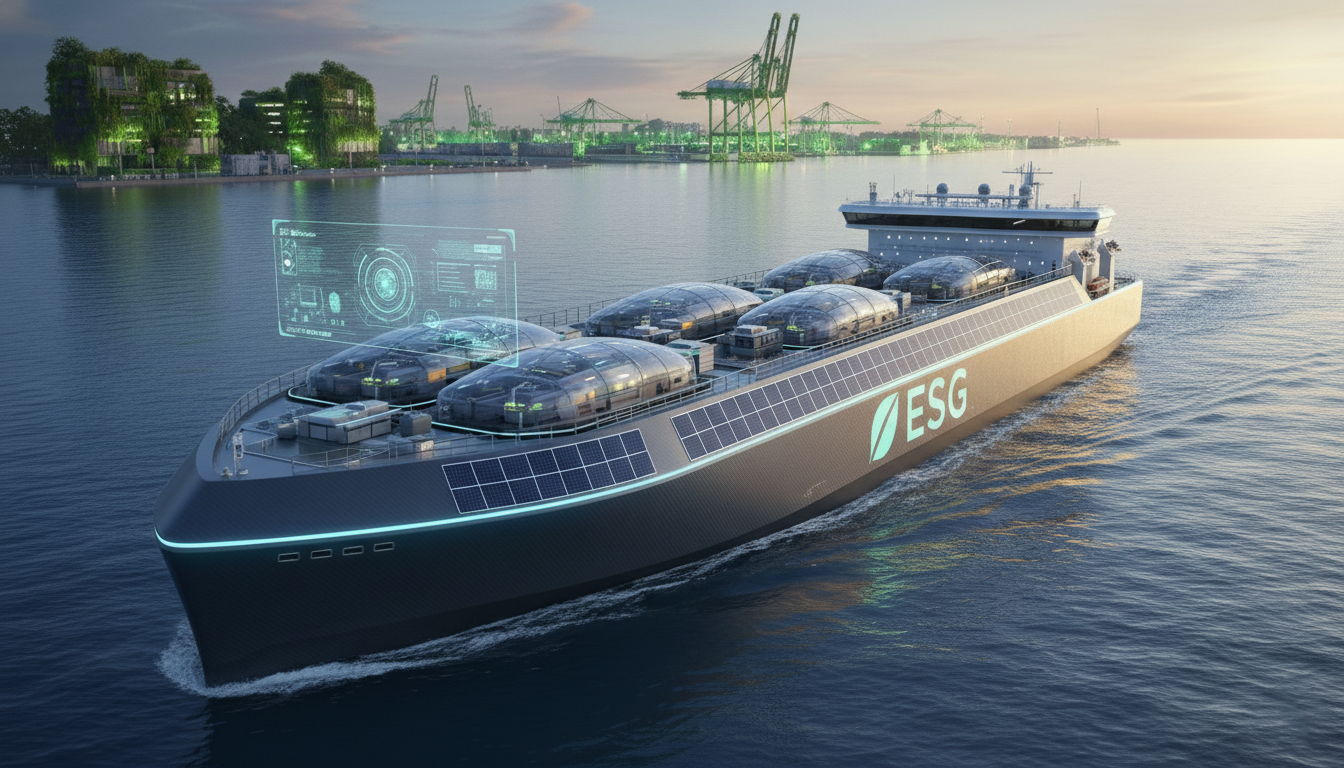
The maritime industry is undergoing profound changes, driven by geopolitical challenges, technological progress, and increasing demands for sustainability. For seafarers and maritime professionals, understanding these shifts is essential to adapt to new operational realities, enhance safety, and contribute to a more sustainable future at sea.
Navigating Change: Resilience, Digital Tools, and Sustainability in Modern Shipping
The global shipping sector faces a period of major transition. Geopolitical tensions, stricter regulations, and rapid innovations are reshaping how vessels operate, how routes are planned, and how companies remain competitive. Recent analysis highlights three interconnected pillars that define the industry's path forward: building resilience against disruptions, embracing digital technologies, and integrating environmental, social, and governance (ESG) principles.
Building Resilience in an Unpredictable Environment
Resilience has evolved from basic crisis management to a core competitive strength. Shipping professionals now deal with frequent disruptions from conflicts, such as those affecting the Red Sea or stemming from ongoing geopolitical issues like the situation in Ukraine. These events force rerouting, increase voyage times, and raise costs significantly.
For example, diverting around the Cape of Good Hope can add up to 2.4 million US dollars in extra expenses per round trip due to longer distances, higher fuel consumption, and additional safety requirements. Surveys indicate that around 80 percent of European shippers view geopolitical risks as the primary threat to their supply chains. Volatile charter rates, congested ports, and rising expenses from environmental rules further complicate daily operations.
Seafarers play a vital role in maintaining resilience through skilled navigation in challenging conditions, adherence to enhanced security protocols, and effective onboard resource management during extended voyages.
Digitalization: Turning Technology into Everyday Practice
Digital tools have moved beyond experimental stages to become indispensable for safer, more efficient, and greener operations. Artificial intelligence supports route optimization to reduce fuel use, predictive maintenance to prevent breakdowns, and emissions tracking for compliance. Internet of Things (IoT) sensors and digital twins enable real-time monitoring of vessel performance, engine health, and cargo conditions.
Cybersecurity has gained prominence, with new regulations like the EU AI Act and NIS2 Directive requiring stronger protections against digital threats. The maritime digital market is projected to expand dramatically, potentially exceeding 395 billion US dollars by 2033, with AI applications alone approaching 100 billion US dollars.
For crew members, this means interacting with advanced bridge systems, electronic logging, remote diagnostics, and data-driven decision support. Familiarity with these technologies improves situational awareness, reduces workload, and enhances overall safety at sea.
ESG Principles: Sustainability as a Core Requirement
ESG factors now influence financing, reputation, and long-term viability in shipping. Environmental efforts focus on decarbonization through adoption of alternative fuels like methanol, bio-methane, and ammonia, alongside energy-efficient designs and operational improvements. The industry is investing heavily to meet ambitious IMO targets for greenhouse gas reductions.
On the social side, companies prioritize fair labor conditions, crew well-being during long deployments, mental health support, and greater diversity in maritime roles. Governance involves transparent reporting under frameworks like the EU's CSRD and ESRS, plus linking executive incentives to sustainability outcomes.
Access to capital increasingly depends on green performance, with instruments such as green bonds and the Poseidon Principles tying funding to measurable environmental results. The EU taxonomy provides clear standards for classifying sustainable maritime investments.
Looking Ahead: Integrating the Three Pillars
Resilience, digitalization, and ESG do not stand alone; they form a strategic foundation for the future of shipping. By strengthening operational robustness, leveraging technology for efficiency and safety, and committing to sustainable practices, the industry can better navigate uncertainties and secure its essential role in global trade.
Seafarers are at the heart of this transformation. Continuous learning in digital systems, sustainability awareness, and adaptive skills will prepare you for the evolving demands of modern maritime careers.
Resource Based on KPMG's study "Global Shipping in Transition: Resilience, Digitalisation & ESG" (2026).
There are no comments.
Similar Posts
-
Major Flag States Advance Collaboration Through the International Flag State Association
Dec. 20, 2025, 10:42 a.m.
-
Human Capital in the Green Transition: Preparing the Future Maritime Workforce
May 25, 2026, 6:31 p.m.
-
Global Maritime Regulations and Geopolitics: Understanding the New 30-Day Russian Oil Waiver
May 18, 2026, 7:07 p.m.
-
SAFER PILOT TRANSFER OPERATIONS: UNDERSTANDING THE NEW SOLAS V/23 AMENDMENTS
April 25, 2026, 6:55 p.m.