Jan. 13, 2026, 12:28 p.m.
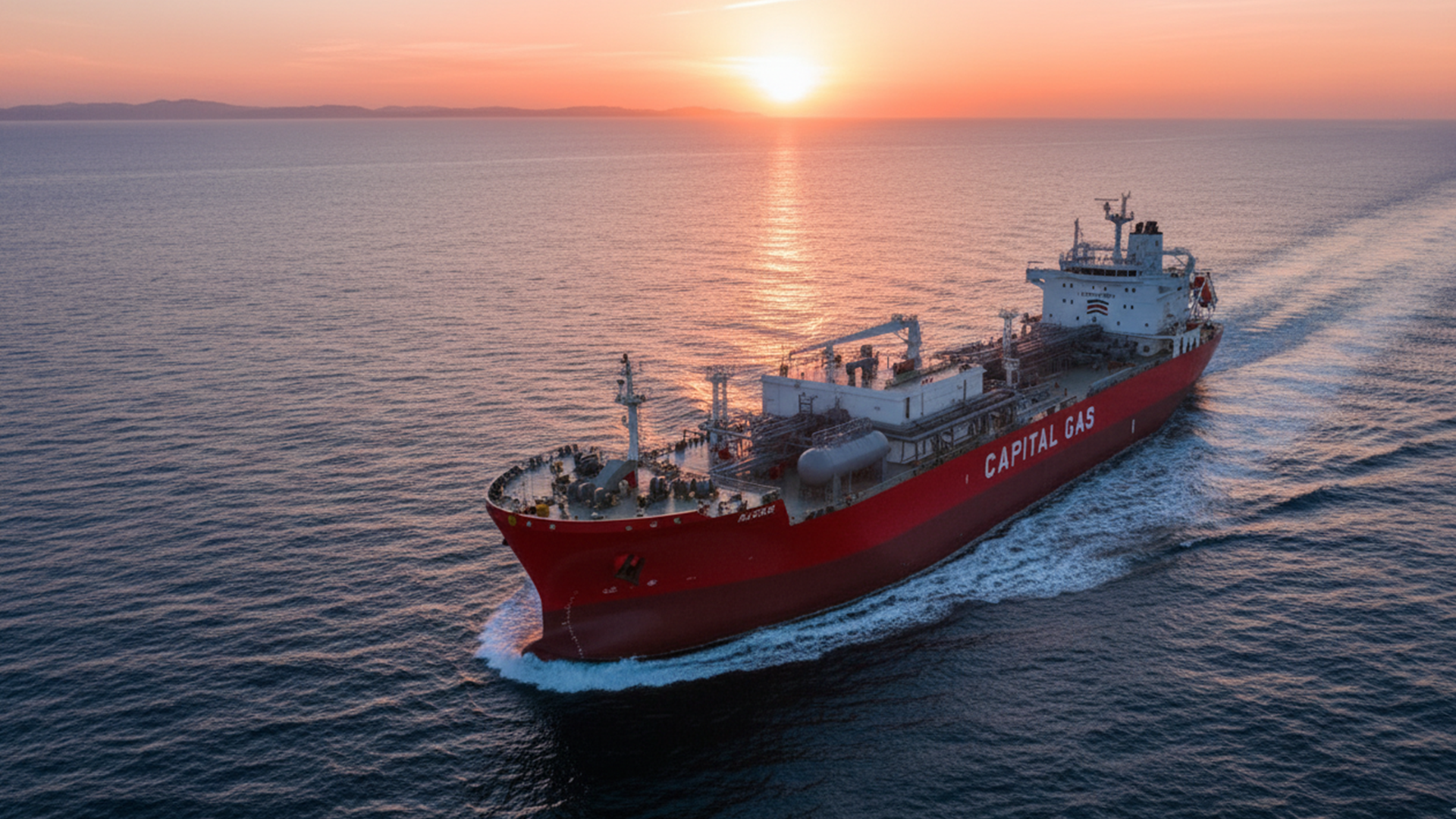
In a major step forward for decarbonization of shipping, the world's first large-scale liquefied carbon dioxide (LCO₂) multi-gas carrier has been successfully delivered to Capital Product Partners L.P. The vessel, named Capital Cosmos, represents a pioneering achievement in the development of carbon capture and storage (CCS) supply chains.
The 22,000 cbm LCO₂ carrier was handed over by Hyundai Mipo Dockyard in South Korea on January 10, 2026. This purpose-built ship is designed to transport not only liquefied CO₂ but also other gases including ammonia, LPG, and potentially LNG, making it a highly flexible asset for the evolving energy transition.
Key Technical Features
Capital Cosmos features state-of-the-art cargo handling systems optimized for low-temperature, high-pressure liquefied CO₂ transport. The vessel is equipped with:
- Fully pressurized cargo tanks rated for CO₂ at -50 °C and up to 45 bar
- Advanced reliquefaction plant to maintain cargo condition during long voyages
- Dual-fuel main engine capable of running on conventional marine fuel and future low-carbon alternatives
- Ice-class notation suitable for operation in colder regions
- High-specification inert gas system and gas detection equipment tailored for toxic and asphyxiant cargoes
The ship has been classed by DNV and flies the Liberian flag. It measures approximately 160 meters in length, with a beam of 25 meters and a design draft optimized for worldwide trading.
Importance for Seafarers and the Industry
For merchant mariners, this delivery marks the beginning of a new cargo type that will require specialized training and operational awareness. Transporting liquefied CO₂ introduces unique hazards including:
- Extreme low temperatures and high working pressures
- Risk of dry ice formation and rapid pressure build-up
- Asphyxiation danger in case of leakage
- Specific requirements for cargo tank atmosphere control and emergency procedures
Officers and ratings assigned to these vessels will need additional training under the STCW Code, focusing on:
- Properties and hazards of CO₂ and other gases carried
- Safe cargo handling and monitoring procedures
- Emergency response to gas releases and pressure-related incidents
- Use of specialized PPE and enclosed space entry protocols
The vessel's multi-gas capability also means crews must remain familiar with the characteristics and handling requirements of ammonia, LPG, and other alternative cargoes.
Outlook for Carbon Transport
Capital Product Partners has secured long-term employment for the vessel in support of Northern Lights, one of the world's most advanced CCS projects. The ship will play a critical role in moving captured CO₂ from industrial emitters in Europe to permanent offshore storage sites beneath the North Sea.
This delivery is expected to be the first of several similar vessels ordered by various owners, signaling rapid growth in the LCO₂ carrier segment over the coming decade.
For seafarers interested in this emerging field, now is the time to build knowledge about carbon dioxide transport, gas carrier fundamentals, and the wider energy transition landscape.
Source: Based on Maritime Executive report, January 2026
There are no comments.
Similar Posts
-
Private Equity Firms Vie for Ownership of Everllence, Key Supplier of Marine Propulsion Engines
Feb. 19, 2026, 6:58 a.m.
-
Ammonia as a Marine Fuel: Key Safety Considerations for Seafarers
Feb. 2, 2026, 7:56 a.m.
-
Navigating New Horizons: Key IMO Regulatory Changes for Seafarers in 2025
Oct. 21, 2025, 8:04 a.m.