Jan. 27, 2026, 9:30 a.m.
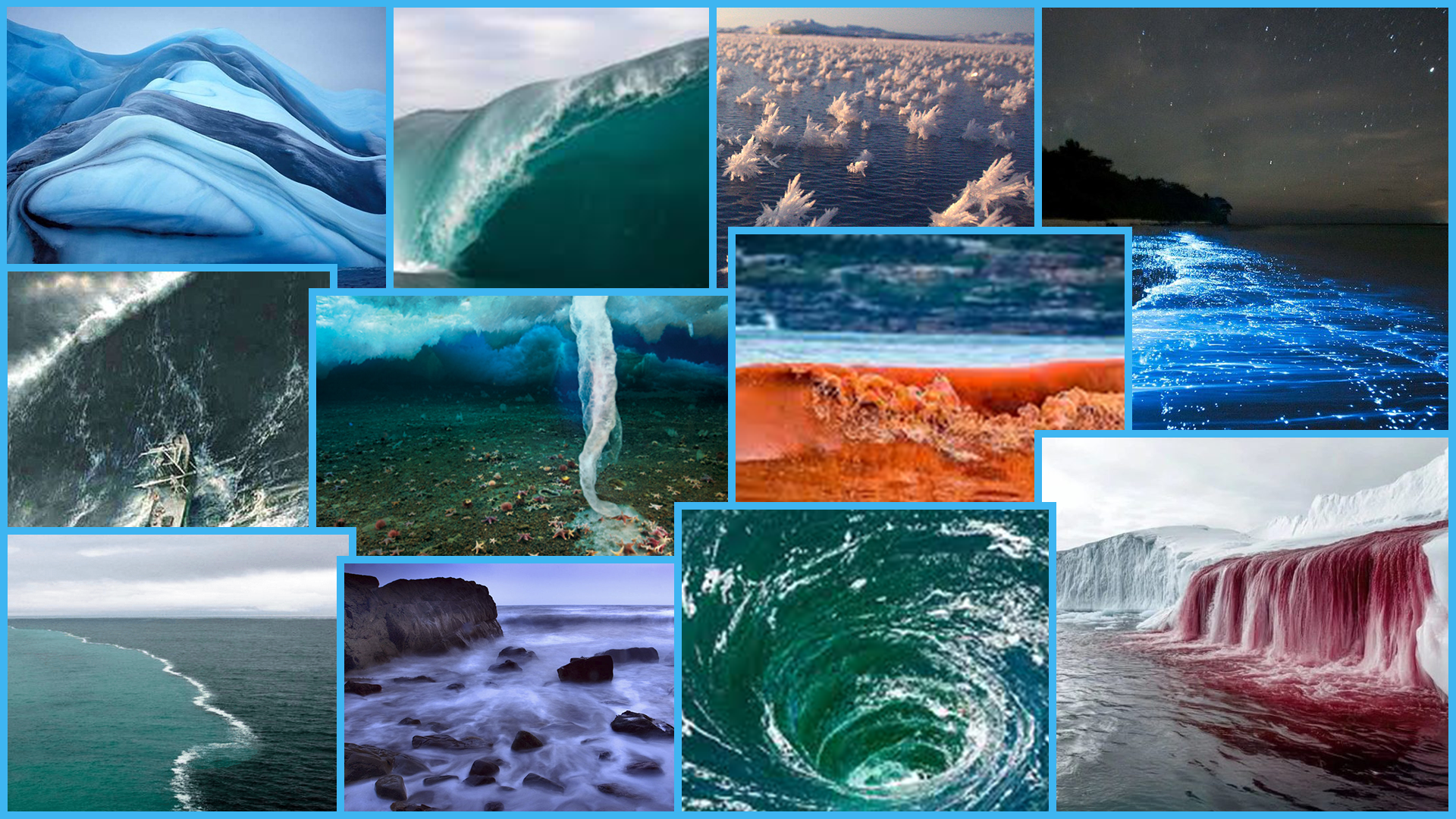
The world's oceans hold countless wonders and surprises that mariners encounter during voyages. These natural events range from breathtaking visual displays to powerful forces that demand respect and caution. Understanding them improves situational awareness, aids navigation decisions, and enriches the seafaring experience. This article highlights eleven remarkable ocean phenomena, explaining their causes and why they matter to those working at sea.
- Antarctica's Blood Falls Iron-rich hypersaline water flows from beneath Taylor Glacier, oxidizing on contact with air to create a vivid red cascade resembling blood. The brine, trapped for millions of years, is far saltier than normal seawater. Seafarers in polar regions may witness this eerie sight near ice shelves.
- Striped Icebergs Multicolored bands appear on Antarctic icebergs when dirt, algae, and minerals get trapped between layers of ice during repeated melt and freeze cycles. These vibrant stripes turn ordinary white bergs into striking natural artworks visible from passing vessels.
- Maelstrom Powerful swirling whirlpools form due to strong tidal currents, wind, and underwater topography. Famous examples create hazardous downdrafts that can endanger ships. While legends exaggerate their power, they remain serious threats in narrow channels and require careful passage planning.
- Red Tide Harmful algal blooms cause seawater to turn red, orange, or brown, releasing toxins that kill fish, shellfish, and marine mammals. These events, common in coastal areas like the Gulf of Mexico, can create foul odors and respiratory issues for crews, plus fishery restrictions.
- Brinicle (Ice Stalactite) Super-cold, salty water sinks from forming sea ice, freezing surrounding seawater into a hollow tube of ice that grows downward. In polar waters, these "icy fingers of death" can trap and freeze bottom-dwelling organisms, creating deadly underwater structures.
- Pororoca – Amazon's Longest Wave Tidal bores surge up the Amazon River twice yearly, generating continuous waves up to 12 feet high that travel dozens of kilometers inland. Surfers ride them for record times, but the powerful surge destroys vegetation, structures, and poses risks to river traffic.
- Frost Flowers Delicate ice formations resembling flowers bloom on new, thin sea ice in calm, extremely cold conditions. High salt content makes them fragile and short-lived, yet they release brine into the atmosphere and support microbial life in harsh polar environments.
- Rogue Waves Sudden, unusually large waves appear without warning, sometimes twice the height of surrounding swells. Caused by wave superposition, currents, or storms, these unpredictable giants have damaged or sunk vessels even in moderate seas, underscoring the need for constant lookout.
- Baltic and North Sea Convergence Waters from the two seas meet near Denmark without mixing due to stark differences in salinity and density, forming a clear line with contrasting colors. This visible boundary demonstrates how oceanographic factors create distinct water masses.
- Bioluminescence Dinoflagellates and other organisms emit light through chemical reactions, turning ship wakes, breaking waves, and disturbed water into glowing blue-green trails at night. This natural light show aids night watches but can also mask navigational lights.
- Milky Sea Vast areas of ocean glow with a uniform milky white-blue due to bioluminescent bacteria, visible even from satellites. Reported for centuries, especially in the Indian Ocean, these enormous glowing patches cover hundreds of square kilometers and remain one of the sea's most mysterious spectacles.
These phenomena remind seafarers of the ocean's power, beauty, and unpredictability. Observing them safely enhances voyage logs, photography opportunities, and professional knowledge.
Resource Adapted from maritime industry sources including Maritime Cyprus infographics and general oceanographic knowledge.
There are no comments.
Similar Posts
-
Responsibilities of a Marine Engineer Officer on Merchant Ships
Jan. 27, 2026, 8:43 a.m.
-
Top 5 Crewing Companies in the World
Oct. 16, 2025, 9:44 a.m.
-
Human Capital in the Green Transition: Preparing the Future Maritime Workforce
May 25, 2026, 6:31 p.m.
-
Denmark Deploys Ice-Strengthened Accommodation Vessel for Military Personnel in Greenland
Feb. 6, 2026, 7:43 a.m.