
Jan. 3, 2026, 10:01 a.m.
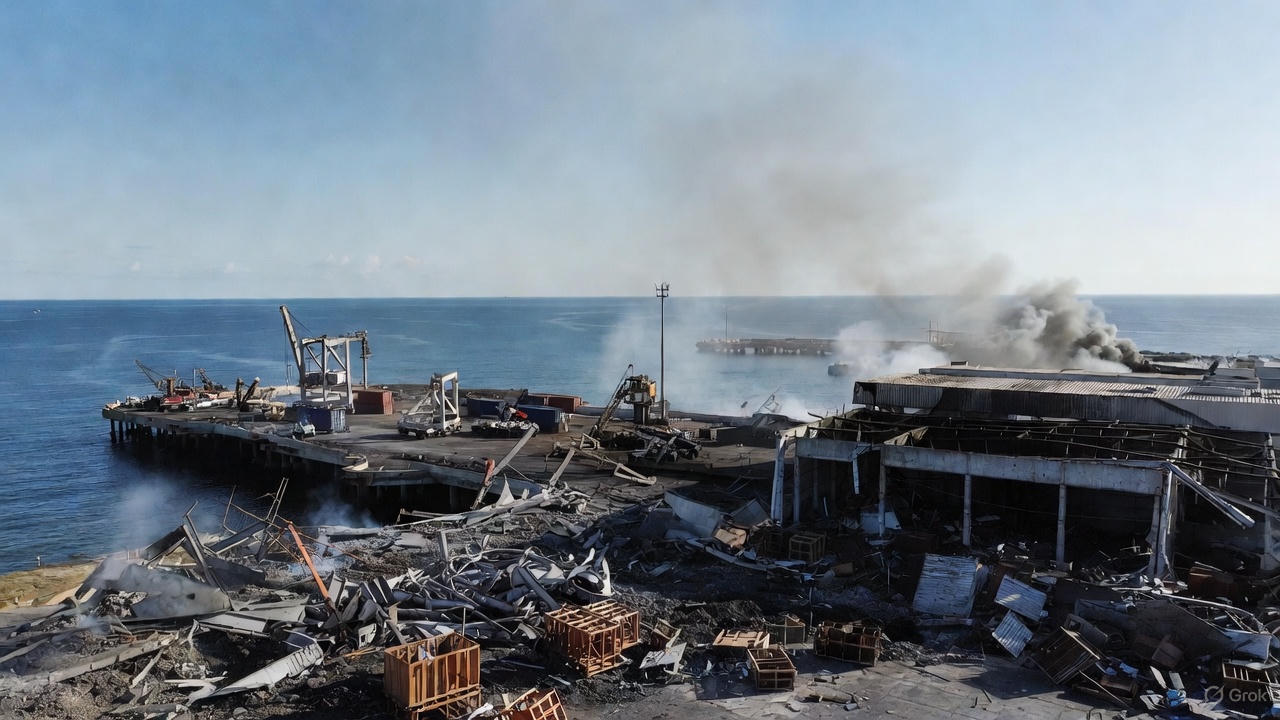
On the morning of January 3, 2026, powerful explosions were reported in the Caracas area and surrounding territories. Among the affected facilities, according to various sources, was the port of La Guaira - the country’s main maritime hub handling a significant portion of Venezuela’s cargo and container traffic.
This event marks the latest escalation in the ongoing tension between Washington and Caracas that has been building for several months. The United States links its actions to Operation Southern Spear, aimed at combating maritime drug trafficking. Venezuelan authorities have classified the strikes as an act of military aggression.
What is known about the damage to port infrastructure
La Guaira port, located approximately 15 km north of central Caracas, serves as a critical gateway for the export of oil, food products, industrial goods, and the import of various cargoes. Preliminary reports indicate significant damage to piers, warehouses, and support structures as a result of the airstrikes. Some sources suggest precision strikes targeted naval facilities located within the port area.
The incident caused power outages in nearby districts, partial destruction of infrastructure, and temporary closure of approaches to the port. The overall navigational safety situation in Venezuelan waters has sharply deteriorated.
Consequences for seafarers and shipping companies
For crews of merchant vessels operating in the Caribbean basin, the situation creates serious risks:
- Venezuelan airspace has been closed to civil aviation (FAA-issued NOTAM in effect);
- Increased probability of collateral damage or engagement in the vicinity of La Guaira and adjacent waters;
- Disruption of port call schedules, cargo delays, and potential route diversions;
- Rising war risk insurance premiums for voyages to the region due to the area being classified as high-risk.
Seafarers proceeding to Venezuelan ports are strongly advised to:
- continuously monitor NAVAREA IV and local NAVTEX broadcasts;
- avoid approaching closer than 20 nautical miles to the coast without confirmed safety information;
- keep updated contingency plans on board for sudden deterioration of the situation;
- verify the status of their vessel’s war risk insurance coverage.
Current developments demonstrate how quickly geopolitical tensions can transform a routine trade route into a high-risk area. While Venezuelan ports remain important for regional trade, seafarers must currently exercise the highest level of caution and keep safety information up to date at all times.
Source: Reuters, AP, CBS News, Venezuelanalysis, and official NAVAREA messages (as of January 3, 2026).
There are no comments.
Similar Posts
-
How a Single Minor Component Failure Triggered Grounding, Sinking, and Port Blockage
June 1, 2026, 8:04 p.m.
-
Fumigation Tragedy at Sea: Fatal Phosphine Poisoning Claims Lives of Chief and Third Officers
May 12, 2026, 9:26 a.m.
-
SAFER PILOT TRANSFER OPERATIONS: UNDERSTANDING THE NEW SOLAS V/23 AMENDMENTS
April 25, 2026, 6:55 p.m.