
Feb. 1, 2026, 9:07 a.m.
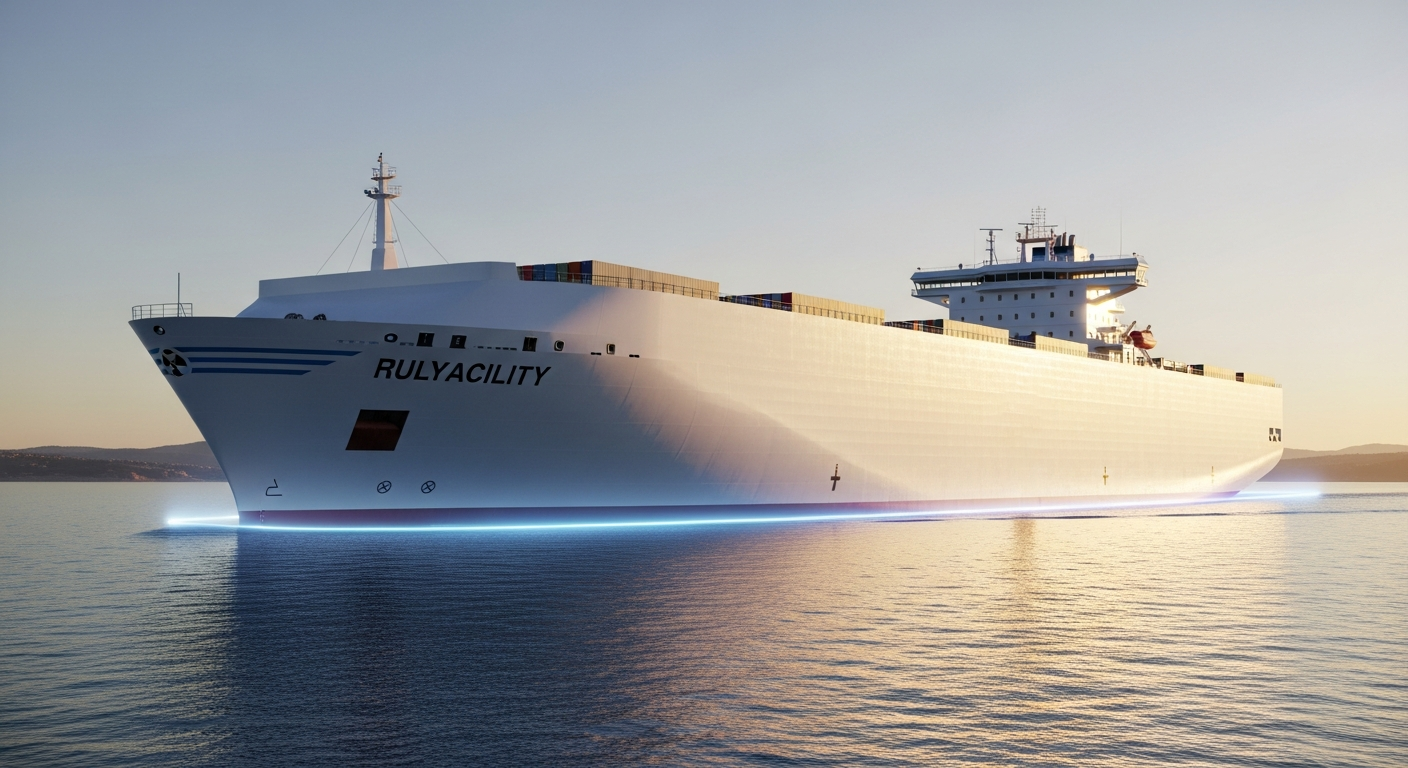
The shipping industry faces intense pressure to achieve decarbonisation and meet strict environmental goals set by international regulations. A technology once considered outdated is now emerging as a serious solution: nuclear propulsion. A recent white paper from DNV highlights that nuclear power is no longer a far-off idea but a practical choice that could transform the commercial fleet.
Shipping remains the essential foundation of global trade. Yet it must respond to proactive rules and ambitious targets for reducing emissions. DNV stresses that all possible options deserve close examination, even those once seen as unlikely. Nuclear propulsion stands out because it delivers nearly zero-emission power, along with stable and predictable energy costs, plus greater flexibility in operations compared to many other alternative fuels.
Historical attempts at civilian nuclear ships, such as the Savannah, Otto Hahn, and Mutsu, showed that the concept worked technically but struggled to become commercially successful. Those early vessels used pressurised water reactors that needed constant monitoring, complex safety systems, and large crews with specialised skills, which drove up costs significantly.
Today's approach looks very different. It focuses on small modular reactors (SMRs), low-pressure designs, and advanced Generation IV technologies. These systems emphasise passive safety features that operate without active intervention in many scenarios, require smaller crews, and allow for refuelling only every few years or longer. This timing matches typical dry-docking intervals, helping to keep ships operational with minimal downtime.
Regulatory challenges form a major part of the transition. Assurance processes are not just protective measures but key drivers of advancement. The maritime sector benefits from an established network of classification societies that offer consistent, globally recognised standards. This structure can help connect varied national rules with the international character of shipping.
Building success requires strong public trust and effective global oversight. Rules for nuclear vessels will likely go beyond what the industry currently handles, demanding close cooperation between the International Maritime Organization (IMO) and the International Atomic Energy Agency (IAEA). A clear, widely accepted framework must cover issues such as managing spent fuel, protecting against cyber threats, and preventing risks like sabotage.
New business models will also play a critical role. Conventional ship ownership may not fit the unique demands of nuclear systems. DNV suggests moving toward "servitisation," similar to aviation's power-by-the-hour arrangements. In this setup, a specialised provider supplies power as a service on a mobile platform and takes full responsibility for the fuel cycle, from production and reactor setup to waste handling and disposal.
This approach reduces risks for shipowners by centralising expertise, ownership, leasing, crew needs, and supply chains with experts in the field. It also promotes standardisation and large-scale production to bring down overall costs.
From an economic perspective, nuclear propulsion can prove competitive. Case studies from DNV show it outperforming other options in both high- and low-fuel-price situations, as long as capital costs reach certain levels. For full decarbonisation by 2050, reactor costs below $18,000 per kW could make it viable against costly carbon-neutral fuels. In milder regulatory scenarios, even lower figures around $8,000 per kW would be needed. As carbon pricing increases traditional fuel expenses, the economic case for nuclear strengthens.
Nuclear offers additional practical benefits often overlooked. With low fuel costs relative to initial investment, operating at higher speeds becomes more attractive, even though current greenhouse gas rules penalise speed for conventional vessels. Faster transit times could reshape global supply chains, enabling larger ships to deliver goods more quickly without raising emissions.
Of course, risks remain inherent in nuclear technology. Widespread adoption depends on effective risk management, building public confidence, and creating solid assurance systems. With targeted investment and international teamwork, nuclear energy holds the potential to become a central pillar in the shift to sustainable maritime operations.
For seafarers, this development signals important changes ahead. Future roles may involve training in advanced reactor monitoring, safety protocols, and emergency procedures tailored to compact, passive systems. While crew sizes could decrease due to automation and inherent safety, the need for highly qualified personnel will grow in specialised nuclear operations.
As the industry explores this path, seafarers should stay informed about evolving regulations, certification requirements, and skill upgrades. Nuclear propulsion represents both a significant challenge and a powerful opportunity to achieve safe, efficient, and emission-free shipping worldwide.
Resource: Based on DNV white paper discussed in Hellenic Shipping News
There are no comments.
Similar Posts
-
How a Single Minor Component Failure Triggered Grounding, Sinking, and Port Blockage
June 1, 2026, 8:04 p.m.
-
Maritime Security and the Shadow Fleet: Swedish Authorities Intervene in Baltic Sea Case
May 4, 2026, 6:33 p.m.