
May 4, 2026, 6:33 p.m.
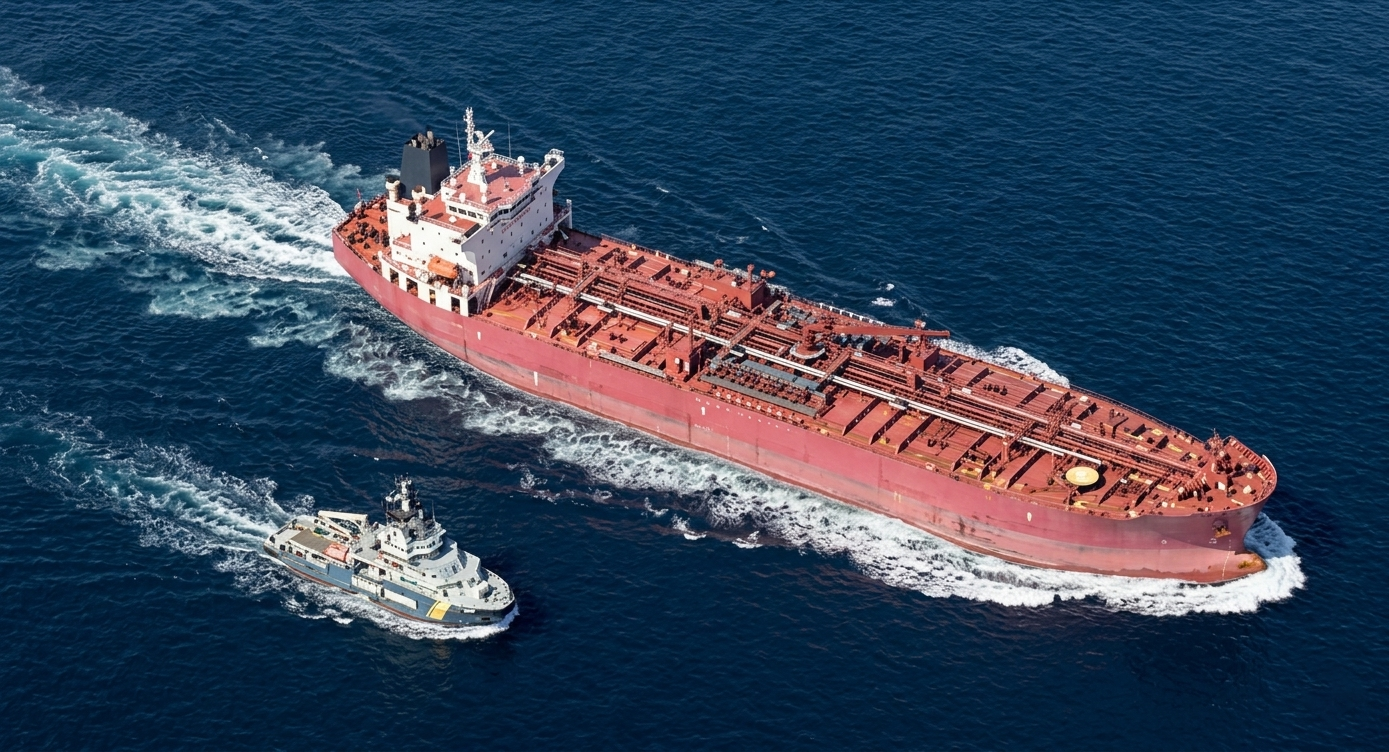
The Swedish Coast Guard recently carried out a significant operation in the Baltic Sea by taking control of an oil tanker suspected of being part of the global shadow fleet. This incident highlights the increasing pressure on vessels that operate with opaque ownership structures and questionable insurance. For maritime professionals, this case is a vital example of how coastal states are intensifying oversight of older vessels and non-standard shipping operations to protect territorial waters.
The Incident Overview The vessel was intercepted following concerns regarding its technical condition and compliance with international maritime safety regulations. Swedish authorities exercised their rights under regional safety protocols to ensure the tanker did not pose an environmental or navigational hazard to the Baltic ecosystem. This proactive approach marks a shift in how authorities handle ships that do not follow traditional regulatory frameworks.
Characteristics of Shadow Fleet Vessels From a professional perspective, the shadow fleet refers to ships operating outside standard oversight. Key features that maritime officers should recognize include frequent changes in vessel names, registration under flags of convenience with minimal regulations, and a lack of standard Protection and Indemnity (P&I) insurance.
Crew members on such vessels face unique professional risks. These include potential legal liability during detentions, lack of reliable medical cover, and the possibility of being caught in security sweeps conducted by port or coast guard authorities.
Legal and Safety Implications The Swedish intervention was based on both national and international law, allowing for action when a clear threat to safety or the environment exists. Many shadow fleet tankers are over 20 years old, increasing the risk of mechanical failure. In the busy shipping lanes of the Baltic, a single incident could lead to catastrophic results.
Authorities are now using preventative inspections to mitigate these risks. For a maritime officer, this means that any vessel with an unclear history is likely to face rigorous boarding procedures, documentation checks, and mechanical audits.
Professional Lessons for Seafarers
- Documentation Accuracy: Maintaining flawless records and ensuring all crew certifications are up to date is the primary defense during an inspection.
- AIS Transparency: Turning off AIS transponders is a major red flag that almost guarantees intervention by coastal authorities in European waters.
- Safety Standards: Regardless of ownership, maintaining the vessel according to IMO standards is crucial for the safety of the crew and the legal protection of the officers on board.
Source: Summary based on recent reports regarding the Swedish Coast Guard operation in the Baltic Sea (Marine Insight News Service).
There are no comments.
Similar Posts
-
Restricted Access in the Strait of Hormuz: How a Double Blockade Limits Commercial Shipping
April 15, 2026, 6:25 p.m.
-
US Naval Blockade of Iranian Ports Enters Second Day as Peace Talks Show Signs of Progress
April 14, 2026, 5:40 p.m.