Feb. 6, 2026, 8:03 a.m.
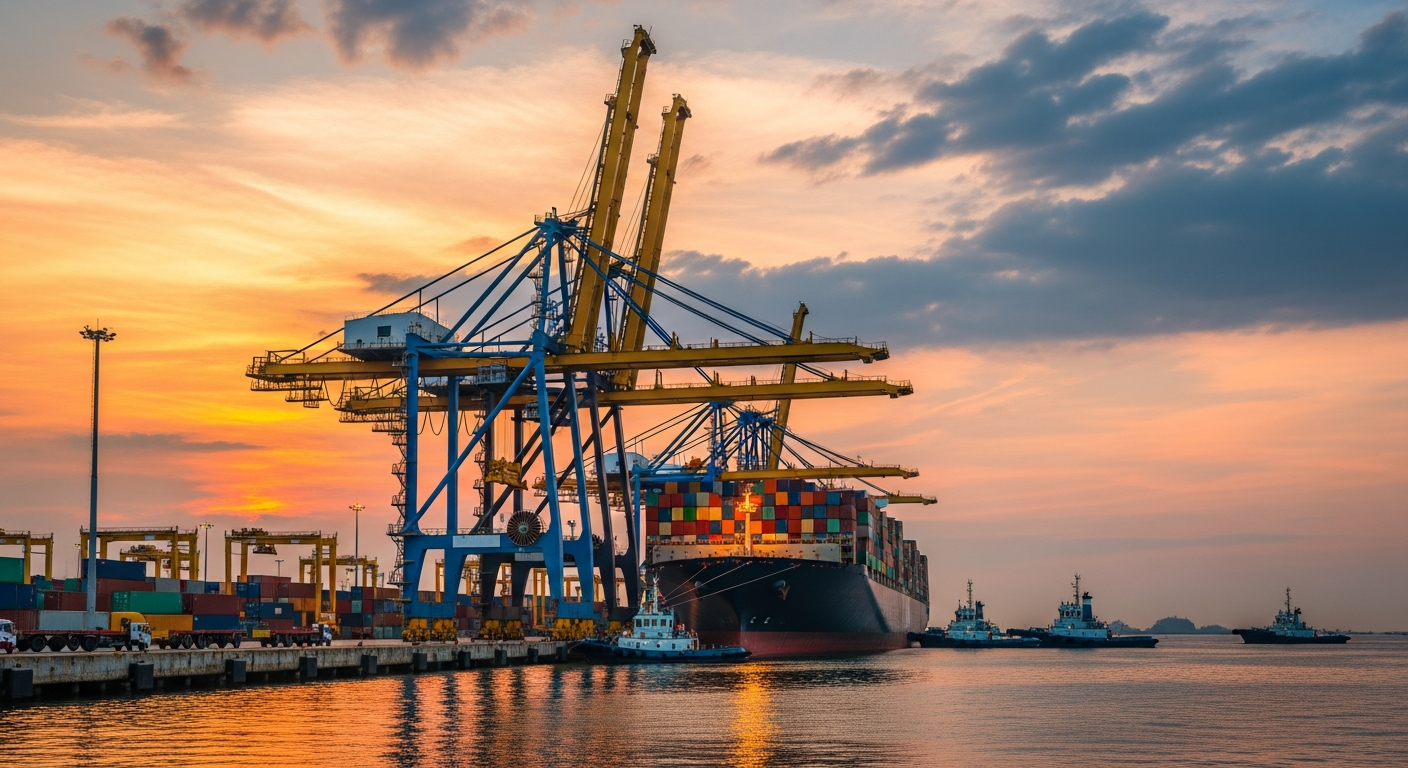
In a major development for global shipping, Panama's Supreme Court has ruled to cancel the long-standing concession contracts held by Panama Ports Company (PPC), a subsidiary of Hong Kong-based CK Hutchison Holdings. The decision, issued in late January 2026, declares the agreements for operating the Balboa and Cristobal container terminals unconstitutional and contrary to public interest. These ports handle significant container traffic at the Pacific and Atlantic entrances of the Panama Canal, a vital artery for worldwide maritime trade.
Background of the Concession
PPC has managed the Balboa and Cristobal terminals since the 1990s, following the handover of the Panama Canal from U.S. control. The contracts were extended in 2021 for an additional 25 years. However, concerns arose over the terms, including exclusive rights, tax exemptions unavailable to competitors, absence of required environmental assessments, and stipulations that the government needed company approval for future port concessions.
Panama's Comptroller General and Attorney General previously flagged these issues as unconstitutional. The Supreme Court, after review, agreed, stating the arrangements created disproportionate advantages for the operator while harming state interests and revenues.
Immediate Aftermath and Transition Measures
To maintain uninterrupted operations, Panama's Maritime Authority appointed APM Terminals (a Maersk Group company) as temporary administrator of both ports starting January 30, 2026. Authorities emphasized that canal transits and essential services would continue without disruption during the transition. President Jose Raul Mulino assured the public that new concession terms would better protect national interests, possibly involving public-private partnerships or fresh competitive bidding.
The ruling introduces uncertainty for international shipping lines relying on efficient handling at these strategic gateways. The Panama Canal facilitates roughly 5% of global trade and a large share of U.S. container movements, so any operational changes draw close attention from mariners and operators.
Broader Implications for Seafarers and the Industry
For merchant navy professionals, this case highlights the importance of stable port concessions and regulatory compliance in key hubs. Sudden changes in terminal management can affect berthing priorities, cargo handling efficiency, turnaround times, and overall voyage planning. Seafarers transiting the Panama Canal may encounter temporary adjustments in procedures or increased scrutiny during the handover phase.
The decision also reflects geopolitical tensions, with reactions from China, Hong Kong, and the United States. CK Hutchison has initiated international arbitration proceedings, seeking damages and challenging the annulment. Meanwhile, Panama aims to renegotiate arrangements that prioritize sovereignty and fair economic benefits.
This event serves as a reminder of how national legal and political factors can influence critical maritime infrastructure. Mariners should stay informed through official notices from flag states, companies, and canal authorities regarding any procedural updates at Balboa and Cristobal.
Resource: Adapted from Marine Insight and related maritime news reports
There are no comments.
Similar Posts
-
Understanding General Purpose Rating: Your Entry to a Maritime Career
Oct. 24, 2025, 9:03 a.m.
-
Global Maritime Regulations and Geopolitics: Understanding the New 30-Day Russian Oil Waiver
May 18, 2026, 7:07 p.m.
-
Modern Shipping: How Resilience, Digital Tools and Sustainability Shape Your Work at Sea
Feb. 10, 2026, 4:45 p.m.