
May 18, 2026, 7:12 p.m.
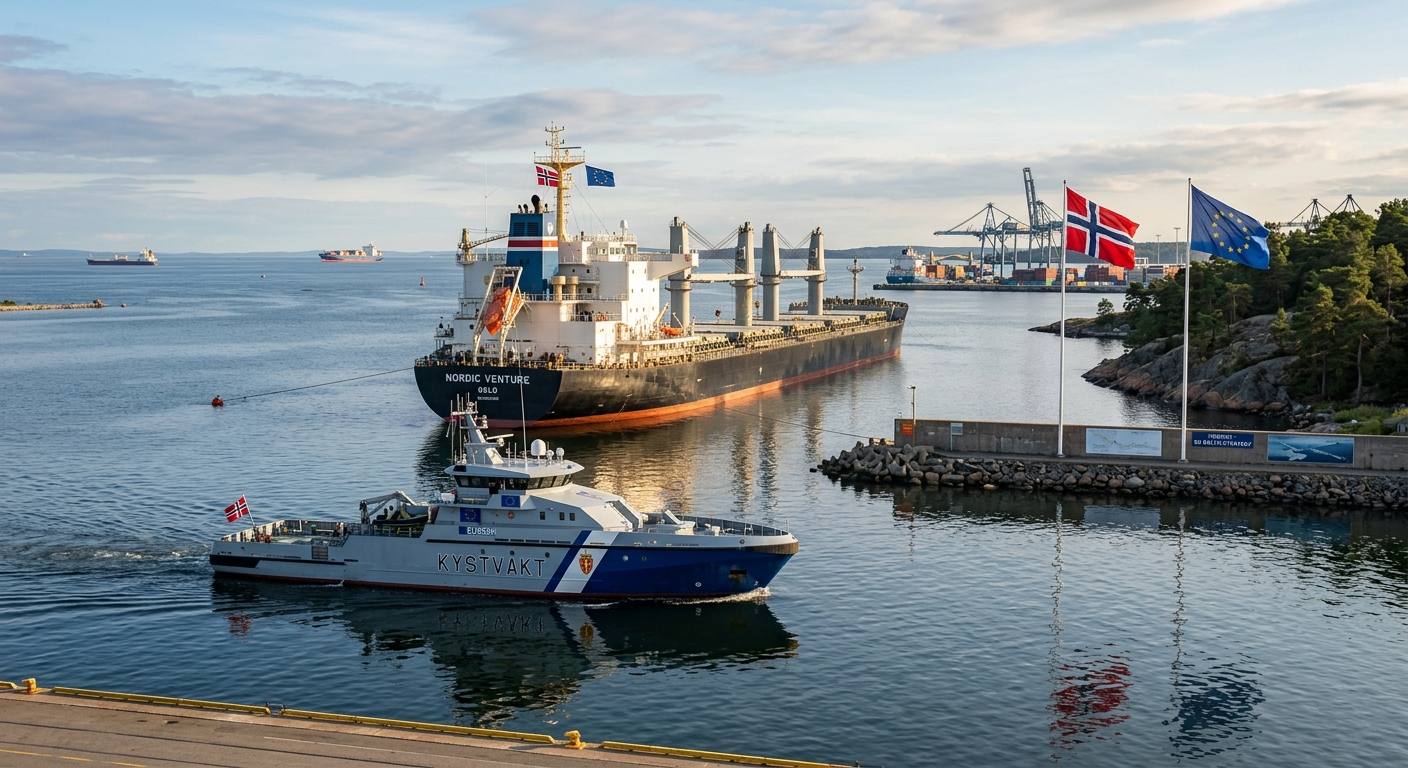
For maritime students, deck officers, and port administrators, the geopolitical landscape of the Baltic Sea is undergoing a historic transformation. Regional safety, environmental regulations, and shipping corridors are heavily influenced by international alliances. In a significant diplomatic and operational move, Norway has officially transitioned from an active observer to a full member of the European Union Strategy for the Baltic Sea Region, widely known as the EUSBSR.
This integration marks a pivotal moment for northern maritime governance. As maritime traffic grows more complex and security challenges multiply, understanding how non-EU coastal states collaborate with European frameworks is essential for modern seafarers navigating these heavily policed waters.
The Context and Evolution of the Strategy
The EUSBSR was originally established to address three interconnected core objectives: saving the marine environment, connecting the region via robust transport networks, and increasing overall prosperity. Given its strategic geographic position and shared coastlines, Norway has participated in various Baltic initiatives for years. However, its upgrading to full membership signals a collective desire among northern nations to build a unified front.
According to regional diplomatic sources, this decision reflects a broader push to tighten security and economic integration across Northern Europe. By removing the institutional barriers between Norway and the core EU Baltic states, the alliance aims to streamline maritime surveillance, environmental response, and cross-border infrastructure planning. The move is also highly symbolic, reinforcing Western cooperation in a maritime zone that faces ongoing geopolitical friction.
Operational Implications for the Maritime Industry
Norway full inclusion in this framework carries practical consequences for vessel operations, route planning, and safety compliance.
- Enhanced Maritime Security and Surveillance: Full membership means Norway will integrate more deeply with European maritime data networks. For mariners, this implies more coordinated search and rescue operations, streamlined reporting procedures, and increased naval and coast guard presence throughout the Baltic and North Sea transition zones.
- Unified Environmental Standards: Norway is known for its pioneering role in green maritime technology and strict environmental policies. Its full integration will likely accelerate the enforcement of stricter emission controls, ballast water management protocols, and sustainable shipping initiatives across the entire Baltic region.
- Infrastructure and Corridors: The strategy focuses heavily on optimizing shipping lanes and port infrastructure. Maritime trainees should expect future investments to target digital charting, automated port operations, and better multimodal connections between Norwegian ports and the wider European transport network.
A Strategic Lesson in Modern Governance
The inclusion of Norway highlights that contemporary maritime operations are inseparable from regional international policy. For officers managing complex voyages, the Baltic Sea is no longer just a collection of sovereign territorial waters, but a highly synchronized regulatory ecosystem. Navigators must stay informed about these structural shifts, as they directly influence everything from port state inspections to regional security alerts.
Resource: Based on diplomatic and maritime reports from gCaptain.
There are no comments.
Similar Posts
-
Maritime Security and the Shadow Fleet: Swedish Authorities Intervene in Baltic Sea Case
May 4, 2026, 6:33 p.m.
-
Navigating the Strait of Hormuz: Regional Perspectives and Security Trends
April 22, 2026, 6:38 p.m.
-
Strategic Awareness: Understanding Mass Vessel Deployments and Regional Seaway Safety
May 25, 2026, 6:19 p.m.
-
US Leads International Effort to Restore Freedom of Navigation in the Strait of Hormuz
April 30, 2026, 5:38 p.m.