Oct. 5, 2025, 4:33 p.m.
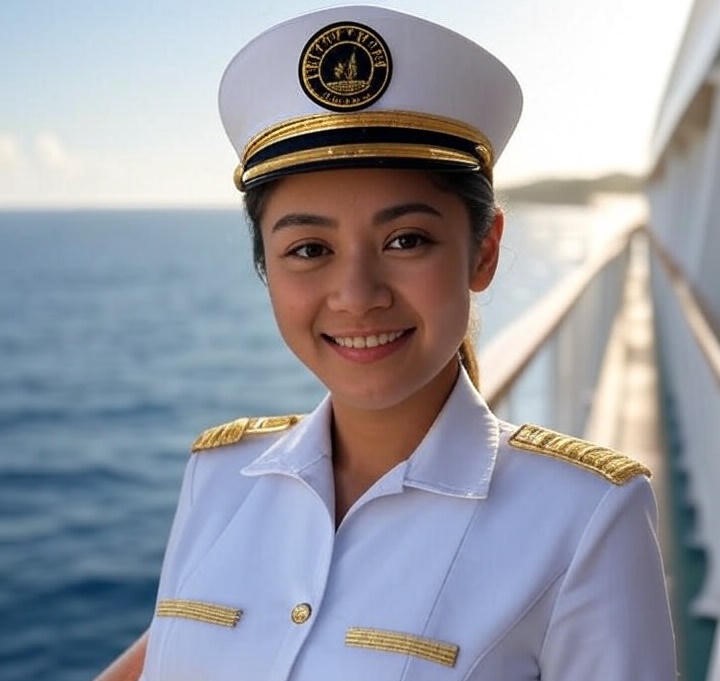
The maritime industry, historically dominated by men, has gradually opened its doors to women, marking significant progress in gender equality. This article explores the journey of women entering maritime professions, highlighting key milestones, challenges, and contributions that have reshaped the seafaring world. Understanding this history is essential for aspiring mariners, as it underscores the evolving opportunities within the industry.
Early Barriers and Pioneers
In the early days of seafaring, maritime roles were considered physically demanding and culturally unsuitable for women. Most societies viewed the sea as a male domain, with women largely confined to land-based roles like supporting fishing communities or managing trade logistics. However, some women defied these norms. In the 18th and 19th centuries, women occasionally disguised themselves as men to join ships, seeking adventure or economic survival. For example, Hannah Snell, a British woman, served as a sailor in the 1740s under the alias James Gray, proving women's capability in maritime tasks.
Official acceptance was rare until the 20th century. During World War I and II, women began taking on auxiliary roles in maritime settings, such as radio operators and clerks, due to labor shortages. These roles, though limited, laid the groundwork for broader inclusion. The courage and competence of these early pioneers challenged stereotypes and demonstrated that women could excel in maritime environments.
Breaking Through in the 20th Century
The mid-20th century marked a turning point. As global trade expanded and maritime technology advanced, the industry needed skilled workers, prompting gradual shifts in policy. In the 1970s, maritime academies in countries like the United States and the United Kingdom began admitting women. For instance, the U.S. Merchant Marine Academy welcomed its first female cadets in 1974. These women faced skepticism and resistance but proved their competence through rigorous training and dedication.
International organizations also played a role. The International Maritime Organization (IMO) launched initiatives in the 1980s to promote gender equality, encouraging member states to support women in maritime education and employment. By the 1990s, women were increasingly visible as deck officers, engineers, and even ship captains, though their numbers remained small. Notable figures like Captain Deborah Dempsey, one of the first American women to command a commercial vessel, inspired others to pursue maritime careers.
Modern Advances and Ongoing Challenges
Today, women hold diverse roles in the maritime industry, from navigators to marine engineers. Organizations like the Women's International Shipping & Trading Association (WISTA) provide networking and mentorship, fostering career growth. Maritime training programs now actively recruit women, emphasizing skills over gender. According to the IMO, women make up about 2% of the global seafaring workforce, a small but growing figure.
Despite progress, challenges persist. Women often face workplace bias, limited access to certain roles, and work-life balance issues due to long deployments. However, training programs and industry policies are evolving to address these barriers, offering scholarships, mentorship, and flexible schedules to encourage female participation.
The Future of Women in Maritime
The inclusion of women in maritime professions reflects broader societal shifts toward equality. Modern maritime education emphasizes diversity, preparing both men and women for the industry's demands. Aspiring female mariners can draw inspiration from trailblazers who navigated uncharted waters, proving that skill and determination know no gender.
For those entering the field, the message is clear: the maritime industry offers vast opportunities for women willing to embrace its challenges. Continued advocacy, training, and support will ensure that women's contributions to seafaring grow stronger, shaping a more inclusive future.
There are no comments.
Similar Posts
-
Vasco da Gama: The Pioneer of the Sea Route to India
Oct. 22, 2025, 11:54 a.m.
-
Pacific Thermal Anomalies and Panama Canal Transit Constraints
Sept. 1, 2026, 7:49 p.m.
-
Human Capital in the Green Transition: Preparing the Future Maritime Workforce
May 25, 2026, 6:31 p.m.