Jan. 22, 2026, 6:01 p.m.
For merchant mariners, understanding high-profile vessel seizures and their implications for navigation, compliance, and safety in sanctioned trade routes remains essential. Recent developments in the Caribbean highlight ongoing US enforcement actions against vessels linked to Venezuelan oil exports.
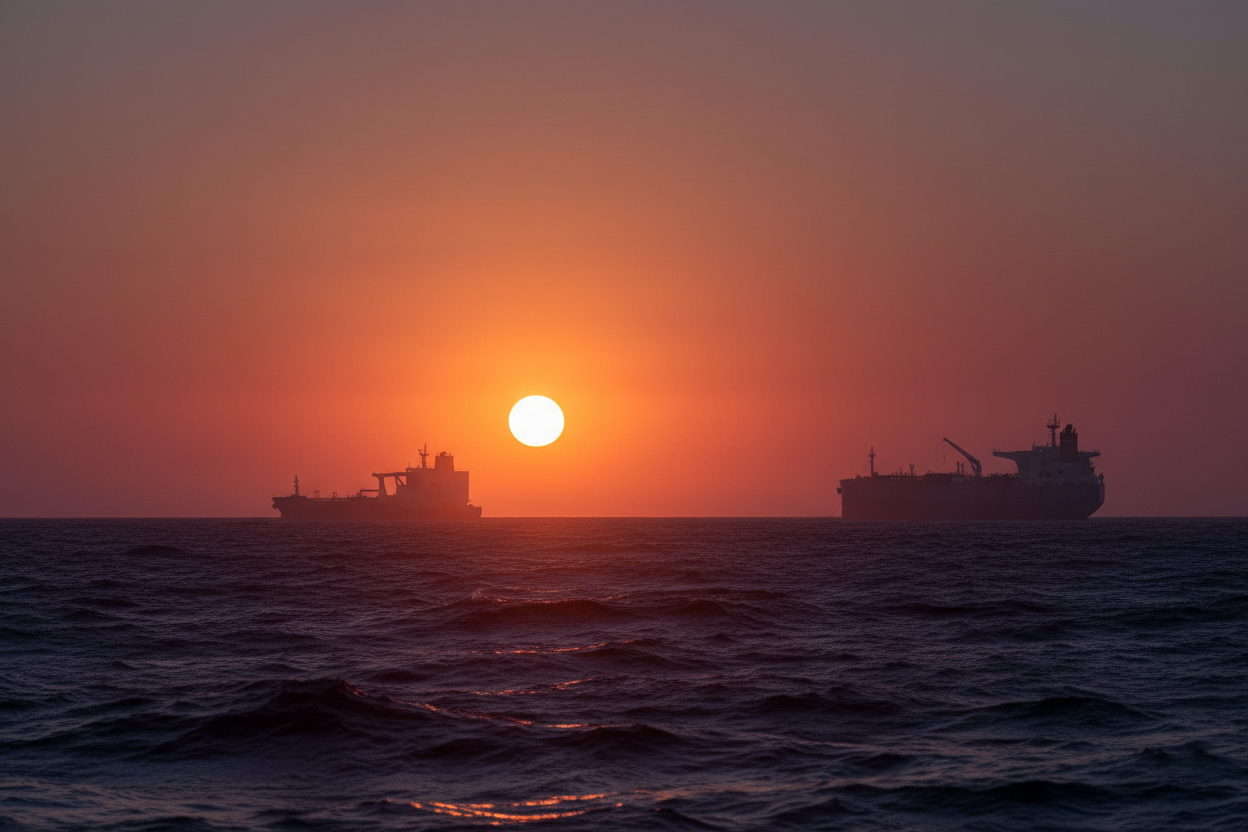
On January 22, 2026, two oil tankers previously captured by US authorities reappeared after a period off the radar. The vessels, the supertanker M Sophia and the smaller tanker Galileo (previously named Veronica), are now anchored off the coast of Ponce, Puerto Rico. Their automatic identification system (AIS) signals had been inactive following the seizures, raising questions about their final disposition.
The M Sophia, a large crude carrier, was intercepted on January 7 while transporting Venezuelan crude oil. The Galileo, seized more recently while operating empty, had a history of carrying similar cargoes. These incidents form part of a broader series of US operations targeting the so-called "dark fleet" — older tankers often used to evade sanctions, frequently lacking proper classification, valid insurance, or updated safety surveys.
Experts note that such vessels pose significant risks, including potential collisions, oil spills, or structural failures due to age and poor maintenance. Crews on these ships often face unsafe working conditions, underscoring the importance of adhering to international standards like those set by the IMO and flag state requirements.
The reappearance near Puerto Rico suggests possible plans to hold the vessels at a US-controlled location for further legal proceedings. Civil forfeiture processes can extend over months or even years, during which ships may remain at anchor or be relocated to other US ports. Other seized tankers from this campaign are reportedly positioned near the US Gulf Coast, in Venezuelan waters, or as far as near Scotland.
This activity occurs amid shifting US policy on Venezuelan oil. Following earlier sanctions and a blockade announced to curb exports and address related concerns like drug trafficking, some supervised shipments have resumed under new arrangements. However, many barrels remain in storage, and enforcement continues against non-compliant vessels.
Mariners should stay vigilant when operating in the Caribbean and adjacent areas. Monitor US Coast Guard notices, OFAC updates, and real-time tracking platforms for sanctioned entities or vessels. Avoiding involvement with flagged or shadowed tankers helps prevent detention, fines, or escalation to military intervention.
Safety tip: Always maintain active AIS where required, ensure valid certificates, and carry appropriate documentation for cargo origin and compliance to reduce risks during port state control inspections or in high-scrutiny zones.
Resource: based on Reuters witness accounts and Tankertrackers.com data.
There are no comments.
Similar Posts
-
Damaged Energy Facilities in the Gulf Region
April 12, 2026, 4:59 p.m.
-
Oil Tankers Reverse Course in Strait of Hormuz Following Collapse of US-Iran Negotiations
April 12, 2026, 4:50 p.m.
-
Strategic Awareness: Understanding Mass Vessel Deployments and Regional Seaway Safety
May 25, 2026, 6:19 p.m.