
Feb. 21, 2026, 7:15 a.m.
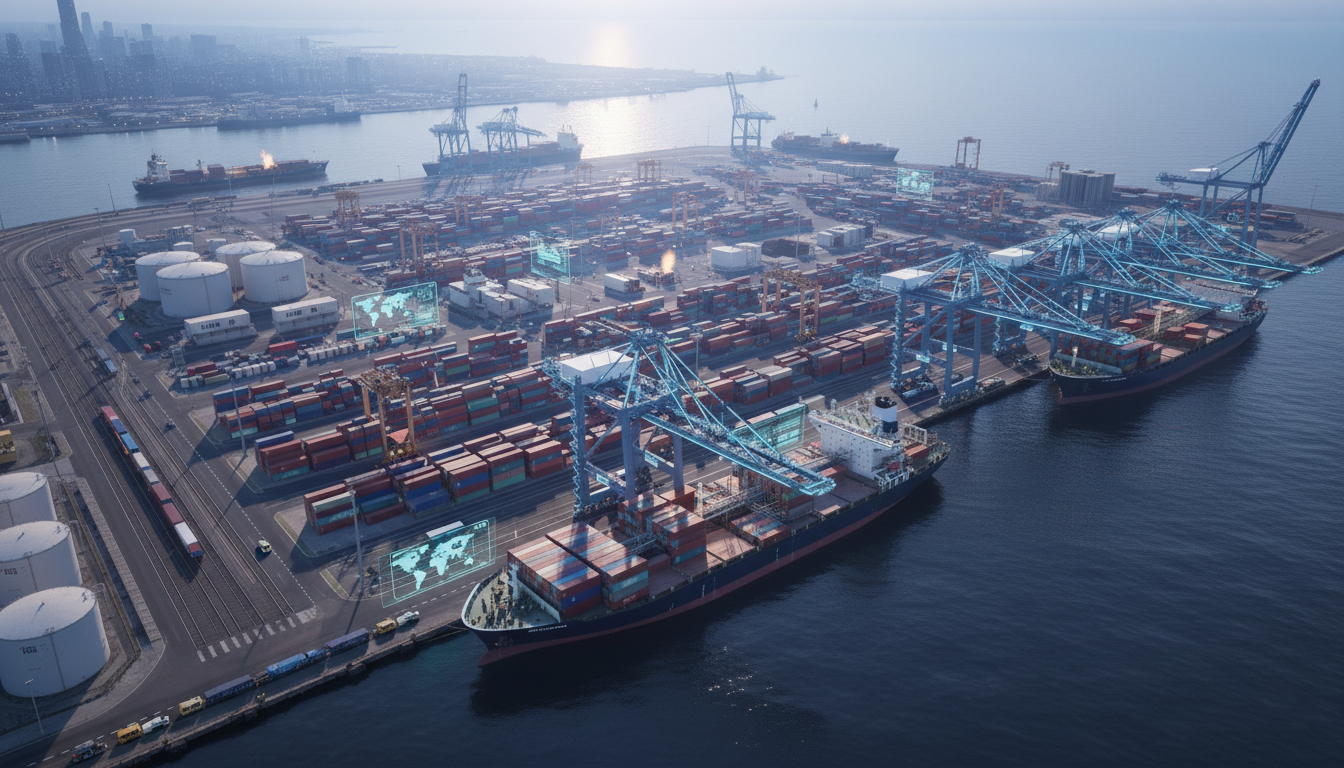
The maritime industry plays a central role in global trade, especially when it comes to moving energy products and chemicals. As shipping works toward lower carbon emissions, transporting fuels is changing in important ways. Traditional fossil fuels like crude oil and refined products use established systems and procedures. However, future low-carbon options such as hydrogen-based carriers, synthetic fuels, advanced biofuels, and e-fuels behave more like specialized chemical cargoes. These substances are often sensitive to contamination, hazardous, and require careful handling, strict tank cleaning, proper sequencing, and tight coordination between vessels, terminals, storage facilities, and inland transport.
For seafarers, this shift means more operations will involve chemical tankers or vessels adapted for IMO-regulated hazardous materials. Safe transport of these cargoes depends not only on onboard procedures but also on reliable information flow across the supply chain. Poor coordination can lead to delays, safety risks, or operational issues at sea and in port.
The chemical logistics sector already uses advanced tools within individual companies. Shipping companies plan voyages carefully, terminals follow strict safety rules, and producers track production and deliveries digitally. The main challenge remains poor alignment between different organizations. Small changes in vessel arrival times can disrupt berth planning, tank assignments, and onward transport, forcing everyone to add buffers or react quickly.
In a world moving toward decarbonization, these gaps become more costly and risky. Low-carbon fuels will travel through many existing chemical ports and terminals, using similar ships. Coordination problems in liquid bulk transport, where tankers carry multiple products in segregated tanks, show how sensitive the system is to timing mismatches.
Chemical supply chains have built-in dependencies. Storage tanks are often dedicated to specific products and connected directly to production or blending systems. Sites usually run close to full capacity, leaving little flexibility. Logistics can represent 15 to 25 percent of product costs, so even small improvements in planning save money and improve reliability.
Uncertainty hurts more than known delays. Predictable late arrivals allow adjustments, but unpredictable ones force extra inventory, reserved capacity, and backup plans. Early disruptions in the chain affect routing, fleet efficiency, and plant output. Commercial sensitivities also limit data sharing, since details about readiness or sequencing can reveal competitive information.
Many past digital efforts relied on a central controller or full data openness, which does not fit the maritime and chemical reality. Ports handle safety and access but not commercial chains. Terminals work for cargo owners with partial views. No single party controls the full flow. Ship positions are visible, but precise plans or future employment reveal strategy.
Better coordination starts with sharing a small set of key data early and directly from the source. Focus on planned, estimated, and actual arrival and departure times at key points. This allows timely adjustments without exposing sensitive details.
Three main principles guide this approach:
- Cargo owners control who sees which information, since they manage readiness and carry most risk.
- Estimated times of arrival are shared as intentions that can be updated as situations change.
- Visibility stays limited to directly involved parties, for specific purposes and time periods, to protect business interests.
These ideas suit liquid bulk operations, especially for future fuels in dedicated corridors. Ports and terminals gain from early alerts on arrival windows and changes, improving safety, flow, and planning for the energy transition.
Examples from green shipping corridors, such as those moving green ammonia between regions, demonstrate how limited shared signals help absorb delays, re-plan berths and storage, and cut reliance on extra measures.
Tools like the Virtual Watch Tower (VWT), supported by the Trade Worldwide Information Network (TWIN), provide neutral infrastructure for this type of controlled sharing. Data stays with owners, while selected signals move under agreed rules. This enables end-to-end alignment in sensitive environments without central control or full transparency.
For seafarers and maritime professionals, understanding these developments is valuable. Better shore-based coordination reduces waiting times, improves schedule reliability, and lowers risks during cargo operations involving hazardous chemicals. It supports safer voyages and contributes to industry goals like emissions reduction.
Resource: Original article from The Maritime Executive (February 20, 2026)
There are no comments.
Similar Posts
-
Fumigation Tragedy at Sea: Fatal Phosphine Poisoning Claims Lives of Chief and Third Officers
May 12, 2026, 9:26 a.m.
-
Iran Conflict Accelerates Global Shift Toward Renewable Energy, Says UN Climate Chief
April 30, 2026, 5:47 p.m.
-
US Leads International Effort to Restore Freedom of Navigation in the Strait of Hormuz
April 30, 2026, 5:38 p.m.